Juicy chicken with a sticky honey-lime glaze and a little chile heat is the kind of dinner that disappears fast. The edges caramelize on the grill, the lime keeps the sweetness bright, and the garlic-cumin backbone keeps it from tasting like a one-note glaze. It lands in that sweet spot where the first bite tastes bold, but the second bite makes you go back for another piece.
What makes this version work is balance. Honey gives you the browning and gloss, but it’s paired with enough lime juice and zest to keep the marinade lively instead of cloying. The cayenne is there for warmth, not punishment, and the olive oil helps carry the seasoning across the chicken so every bite gets coated. I like using thighs when I want extra forgiveness on the grill, but breasts work well too if you watch the temperature closely.
Below, I’ve included the timing that matters most, the marinade detail that keeps the chicken juicy, and a few smart swaps if you need to work with what’s already in the kitchen.
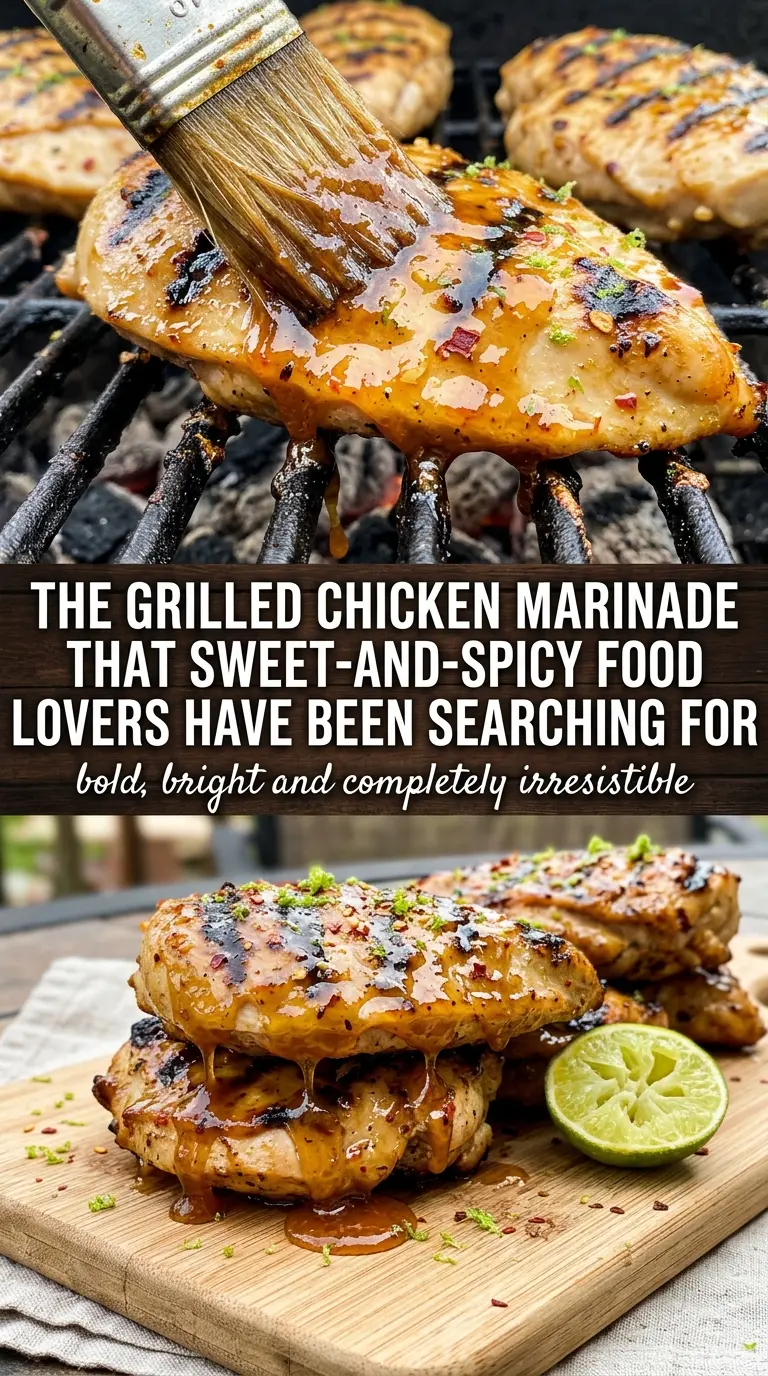
The marinade gave the chicken such a good sweet-heat balance, and the basting at the end made the glaze turn glossy without burning. Mine came off the grill juicy with just the right char.
Save this spicy honey-lime chicken for the nights when you want charred, glossy grilled chicken with a sticky sweet-heat glaze.
The Marinade That Cares About Both Browning and Brightness
Most grilled chicken marinades lean too hard in one direction. They’re either sweet enough to burn or acidic enough to turn the surface mushy. This one works because the honey and lime are balanced, then buffered with oil and spices so the chicken can pick up flavor without losing texture. The marinade also does more than season the outside; the salt, acid, and sugar work together to keep the surface juicy while the grill builds color.
The biggest mistake here is rushing the marinating time or overdoing it. Thirty minutes is enough for the chicken to pick up flavor, and four hours is plenty. Much longer, especially with thin chicken breasts, can make the texture loose on the outside before the inside is even close to ideal. If the glaze is thick and sticky in the bowl, that’s what you want. If it’s watery, the chicken won’t caramelize as well.
What Each Ingredient Is Actually Doing in Spicy Honey-Lime Chicken
- Protein (quality, proper thickness) — Good quality protein tastes better. Even thickness ensures even cooking.
- Seasoning (bold, distributed throughout) — Don’t be shy with salt and pepper. Quality seasoning elevates everything.
- Oil or fat (protective and flavorful) — The fat helps develop crust and carries flavors. Use generously.
- Heat management (appropriate temperature for the protein) — Too high and the outside burns before the inside cooks. Too low and it steams.
- Technique (sear, then finish based on thickness) — Proper technique creates flavor. Sear for crust, then cook through gently.
- Aromatics and seasonings (garlic, herbs, spices) — These add complexity and depth. Distribute them throughout the cooking process.
- Resting time (let it rest before serving) — Resting allows juices to reabsorb. This keeps the protein moist and tender.
- Optional: finishing sauce or glaze — A light sauce adds richness without overwhelming. Apply at the very end.
What the Honey, Lime, and Cayenne Each Bring to the Pan
- Honey — This gives the chicken its glossy finish and helps it caramelize on the grill. Raw honey or standard grocery honey both work; save the fancy stuff for finishing, because once it hits heat and lime, the subtle differences disappear.
- Lime juice and zest — The juice brings the sharp brightness, but the zest is what makes the lime flavor stay present after grilling. If you only use juice, the dish can taste flat. If you need to substitute lemon, use it in the same amount, but expect a slightly less tropical, more direct citrus finish.
- Chicken thighs or breasts — Thighs are more forgiving and stay juicier over live heat. Breasts work fine, but they need closer attention and should come off the grill as soon as they hit 165°F. If you’re cooking both, keep the thicker breast pieces on the cooler side of the grill so they don’t dry out before the glaze sets.
- Cayenne and chili powder — Chili powder builds the background warmth, while cayenne brings the sharper heat. If you want this milder, cut the cayenne to a pinch instead of dropping it entirely; the chicken needs a little heat to keep the honey from taking over.
Grilling the Chicken So the Glaze Sticks Instead of Burning
Let the Marinade Work Without Oversoaking
Mix the marinade until the honey is fully dissolved and the garlic and spices look evenly suspended. Pour off about a quarter cup before the chicken goes in so you have clean marinade for basting later; using the raw chicken marinade straight on the grill is a bad trade. Put the chicken in a zip-top bag or shallow dish, coat it well, and refrigerate for at least 30 minutes. If you’re using breasts, don’t let them sit much past four hours or the exterior can start to lose its structure.
Build Heat Before the Chicken Hits the Grates
Preheat the grill to medium-high and oil the grates once they’re hot. That matters more than people think, because chicken with honey in the marinade wants to stick if the surface isn’t hot enough to sear right away. You’re looking for clean grill marks after the first few minutes, not a slow pale cook. If the flames jump when you baste, move the chicken to a cooler spot for a minute instead of chasing it around the grill.
Use the Basting Stage to Set the Glaze
Grill the chicken for 6 to 8 minutes per side, depending on thickness, and baste with the reserved marinade near the end of cooking. Basting too early can make the sugars scorch before the chicken is cooked through. The glaze should look glossy and sticky, with browned edges and a few dark spots where the honey hit direct heat. Pull the chicken when the thickest part reaches 165°F, then let it rest so the juices settle back into the meat instead of running out on the cutting board.
Three Ways to Make the Sweet-Heat Chicken Fit Your Table
Make it dairy-free without changing the texture
This recipe is naturally dairy-free, which is one reason it’s such an easy main dish to keep in rotation. The marinade gets its body from oil and honey instead of butter or cream, so the finish stays glossy without any dairy at all.
Turn down the heat without losing the sweet-lime balance
Cut the cayenne in half or leave it out entirely if you want more of a honey-lime grill chicken than a spicy one. Keep the chili powder and cumin in place so the chicken still tastes seasoned and not just sweet.
Bake it when the grill isn’t an option
Bake the marinated chicken at 425°F on a lined sheet pan until it reaches temperature, then broil for a minute or two to get color on top. You won’t get the same char, but the honey-lime glaze still comes through and the edges will take on a nice dark finish.
Use thighs for a richer, more forgiving result
Chicken thighs stay juicier over high heat and handle a little extra basting better than breasts. They’ll give you a darker, more succulent bite and are the better pick if you’re cooking for a crowd and don’t want to hover over the grill.
Storage and Reheating
- Refrigerator: Store cooked chicken in an airtight container for up to 4 days. The glaze will firm up a bit as it chills, but the flavor stays strong.
- Freezer: Freeze cooked chicken for up to 2 months. Wrap portions tightly and thaw in the refrigerator so the surface doesn’t turn dry and stringy.
- Reheating: Warm it gently in a covered skillet over low heat with a splash of water, or reheat in a 300°F oven until just warmed through. High heat will make the honey glaze scorch before the center is hot.
Questions I Get Asked About This Recipe
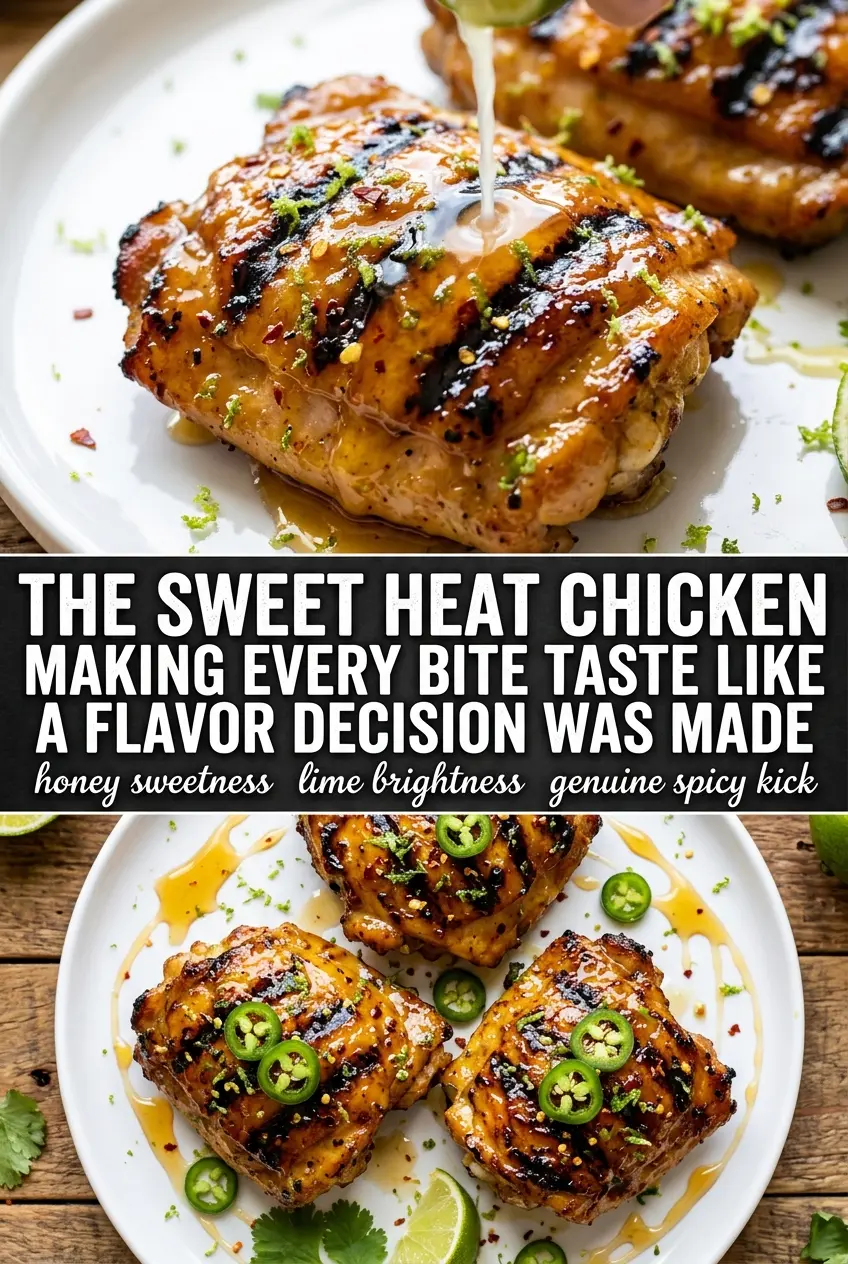
Spicy Honey-Lime Chicken
Ingredients
Equipment
Method
- Whisk honey, lime juice, lime zest, olive oil, garlic, chili powder, cayenne pepper, cumin, salt, and pepper until the mixture looks smooth and well combined (about 1–2 minutes).
- Place chicken in a large zip-top bag and pour in the marinade, reserving 1/4 cup for basting.
- Seal and refrigerate for 30 minutes to 4 hours so the chicken absorbs the sweet heat.
- Preheat the grill to medium-high heat and lightly oil the grates.
- Grill chicken for 6-8 minutes per side, basting with the reserved marinade each time you flip, until the thickest part reaches 165°F and the glaze looks caramelized with visible char.
- Transfer chicken to a plate and let it rest for 5 minutes so juices redistribute.
- Garnish with fresh cilantro and serve with lime wedges.