Rhubarb liqueur pours a soft pink and lands with that bright sweet-tart snap rhubarb is known for, but the vanilla and lemon turn it into something smoother and more polished than a straight fruit infusion. It tastes clean, fragrant, and just a little old-world, the kind of bottle you keep chilled for small glasses over ice or for stirring into a simple cocktail.
The key is giving the vodka time to pull flavor from the rhubarb before any sugar goes in. That first week builds the color and sharp fruit notes; the syrup comes later to round everything out instead of muddying the infusion from the start. A split vanilla bean adds warmth without making the liqueur taste like dessert, and the lemon zest keeps the whole thing lifted.
Below, I’ll walk through the timing that matters, what to watch for when the infusion is ready, and a few useful ways to serve or adapt it once it’s bottled.
The rhubarb color came out gorgeous and the vanilla kept it from tasting sharp. I strained it after the first week and it was already amazing, but the extra week of aging made it taste smooth and balanced.
Rhubarb liqueur needs patience, but the pink color and vanilla-kissed finish make the extra week worth it.
Why the Two-Week Timeline Matters More Than the Ingredient List
The biggest mistake with homemade liqueur is rushing the infusion and then overcompensating with sugar. Rhubarb gives up its color and tartness fast, but it needs time in the vodka to round out and pull enough flavor into the spirit. If you add the syrup too early, you slow that extraction and end up with a sweeter drink that tastes flatter.
The second week is where the texture settles. After straining, the liqueur can taste a little sharp or disjointed, especially if the rhubarb was very tart. Aging lets the vanilla, lemon, and sugar knit together so the finish tastes smooth instead of boozy and jagged.
- Rhubarb — Fresh stalks give the cleanest pink color and the brightest tart note. Trim away any leaves completely; they’re not edible, and the stalks should be chopped so more surface area meets the vodka.
- Vodka — Use a neutral vodka here. A flavored spirit can fight the rhubarb and blur the result. You don’t need top-shelf vodka, but you do want something clean-tasting.
- Vanilla bean — This is what softens the sharp edges. A vanilla extract swap works in a pinch, but the bean gives a gentler, deeper aroma that doesn’t read as baked goods.
- Lemon zest — The zest adds lift without making the liqueur sour. Use only the yellow outer skin; the white pith turns bitter fast and can make the infusion taste rough.
How to Infuse Rhubarb Without Making the Liqueur Taste Muddy
Starting the Infusion in Glass, Not Plastic
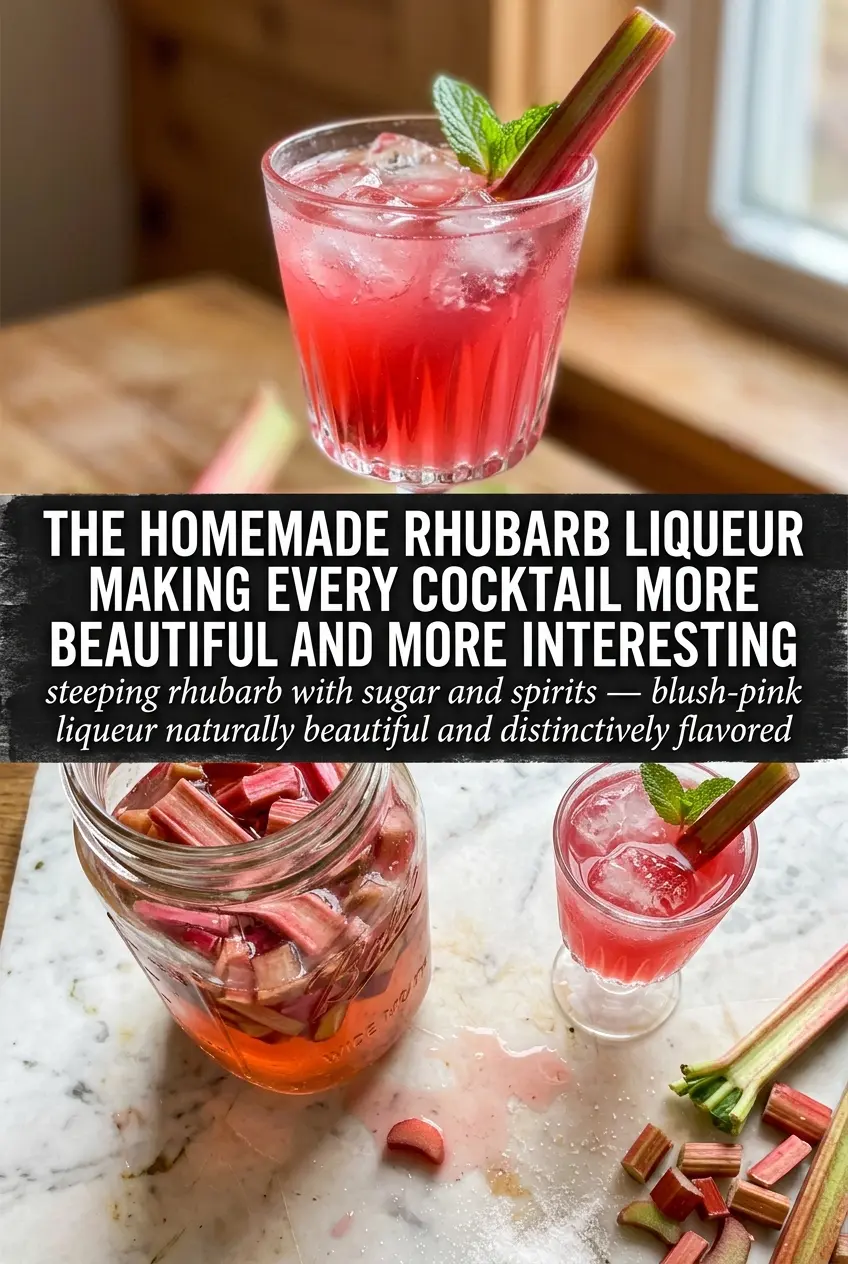
Use a large glass jar with a tight lid so the vodka stays clean and the rhubarb doesn’t pick up any off flavors. Once the fruit, vanilla bean, and lemon zest are in, the jar should be sealed and tucked somewhere cool and dark. Shake it once a day to redistribute the fruit and expose fresh surfaces to the alcohol. If the jar sits in bright light or a warm cupboard, the color can dull and the flavor can turn flat faster.
Cooking the Syrup Until It’s Clear
When the week is up, cook the sugar and water just until the sugar dissolves and the syrup comes to a boil, then stop. You’re not trying to reduce it; you’re making a clean, stable sweetener that won’t taste thick or candy-like. Let it cool completely before it meets the infused vodka. If the syrup is even warm, you can throw off the balance and cloud the liqueur.
Straining for a Smooth Bottle
Strain the rhubarb mixture through a fine-mesh strainer into the cooled syrup, pressing gently if you want a little extra flavor. Don’t mash the fruit hard. That can push pulp through the strainer and make the liqueur look cloudy or taste fibrous. Once combined, bottle it and let it age for another week so the sharpness softens and the color settles into that pretty pink tint.
What Each Ingredient Is Actually Doing in the Bottle
- Fresh rhubarb — This is the backbone of the liqueur. Frozen rhubarb can work if that’s what you have, but fresh stalks usually give a brighter color and a cleaner, less watery flavor.
- Vodka — Alcohol extracts flavor and color far better than water or juice alone. If you want a slightly softer result, a mid-range vodka is fine; the spirit is mostly a vehicle here, not the star.
- Sugar — The syrup doesn’t just sweeten. It also smooths the tart edges and gives the liqueur that rounded, pourable texture you want in a digestif or cocktail base.
- Water — This turns the sugar into a simple syrup so it blends evenly. Skip trying to dissolve dry sugar directly into the infused vodka; it won’t combine as cleanly.
- Vanilla bean — Split it lengthwise so the seeds and interior can steep. If you only have extract, add it after straining so the alcohol doesn’t cook off the aroma.
- Lemon zest — A little zest keeps the liqueur from tasting one-note. A microplane works best, but stop early and avoid digging into the pith.
Three Ways to Serve or Adapt This Rhubarb Liqueur
Over Ice as a Digestif
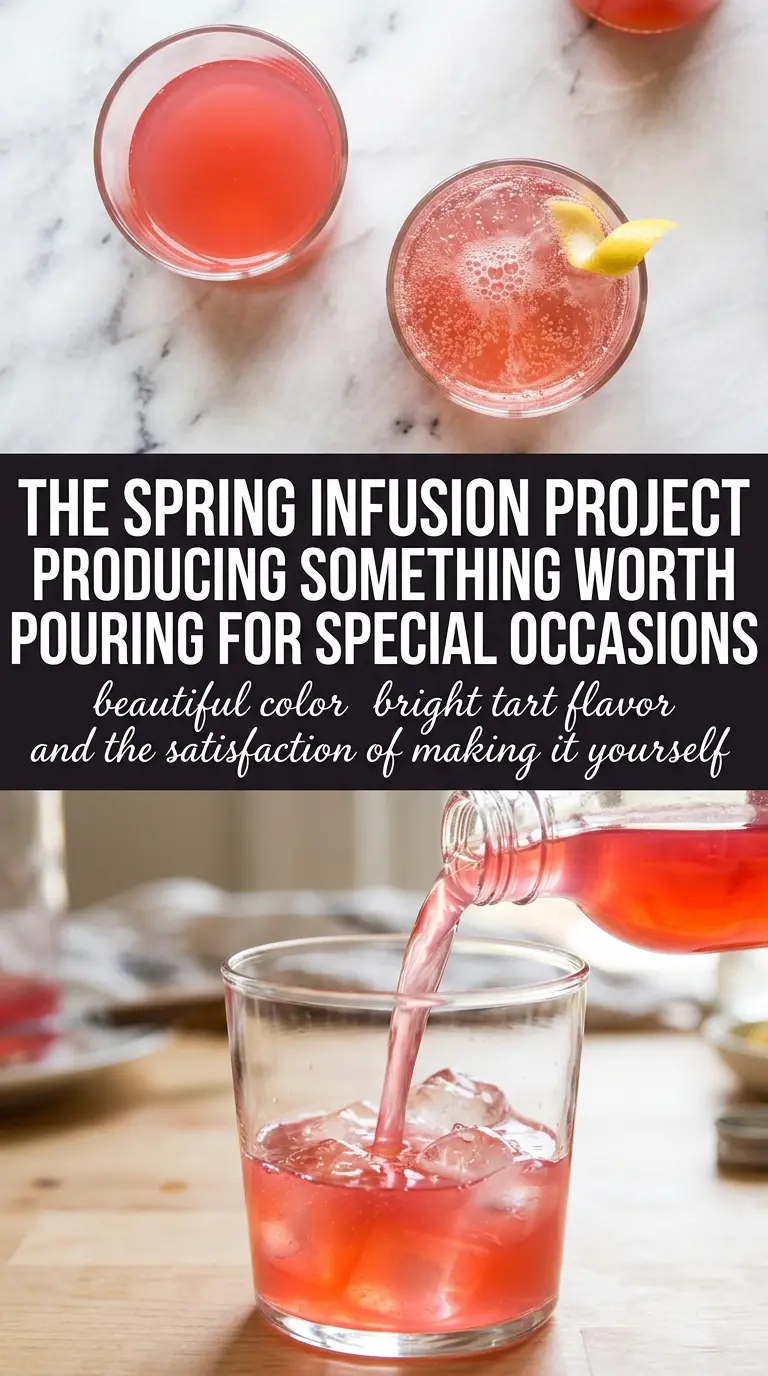
Chilled rhubarb liqueur is at its best in a small glass over one or two ice cubes. The cold keeps the sweetness in check and makes the vanilla note stand out. This is the simplest way to taste whether your infusion and syrup are balanced before using it in cocktails.
Lower-Sugar Version
Cut the sugar slightly if your rhubarb is especially sweet, but don’t remove it entirely. The sugar isn’t just for sweetness; it gives the liqueur body and helps carry the tart fruit flavor. If you reduce it too much, the final drink can taste thin and sharp.
Use It in Cocktails
This works beautifully in spritzes, gin drinks, and anything that needs a bright pink fruit note. Start with a small pour because the vanilla and sugar can take over if you add too much. The liqueur should accent the drink, not turn it into syrup.
Storage and Reheating
- Refrigerator: Store in a sealed bottle or jar in the fridge for up to 6 months. The flavor stays stable, and the cold helps preserve the fresh fruit edge.
- Freezer: I don’t recommend freezing it. The alcohol content may keep it from freezing solid, but the texture can turn slushy and the balance gets muddled.
- Reheating: No reheating needed. Serve it cold or over ice; warming it can push the alcohol forward and flatten the rhubarb.
The Questions I’d Ask Before Making a Bottle of This
Rhubarb Liqueur
Ingredients
Equipment
Method
- Combine fresh rhubarb and vodka in a large glass jar, then add the split vanilla bean and lemon zest. Seal the jar.
- Let the sealed jar infuse in a cool, dark place for 1 week, shaking daily. This keeps the rhubarb evenly suspended in the vodka.
- Combine sugar and water in a saucepan, then bring to a boil over medium heat, stirring until the sugar dissolves. Keep stirring as soon as it boils to prevent undissolved sugar.
- Let the simple syrup cool completely at room temperature. Wait until it’s fully cool so the liqueur stays clear.
- Strain the rhubarb mixture through a fine mesh strainer into the cooled syrup. Press gently to capture flavor while leaving solids behind.
- Stir to combine thoroughly, then bottle the liqueur. Ensure the bottle is clean and dry before filling.
- Let the bottled liqueur age for another week before serving. This rounds out the sweet-tart balance.
- Store in the refrigerator and use within 6 months in cocktails or as a digestif. Serve over ice in small glasses.