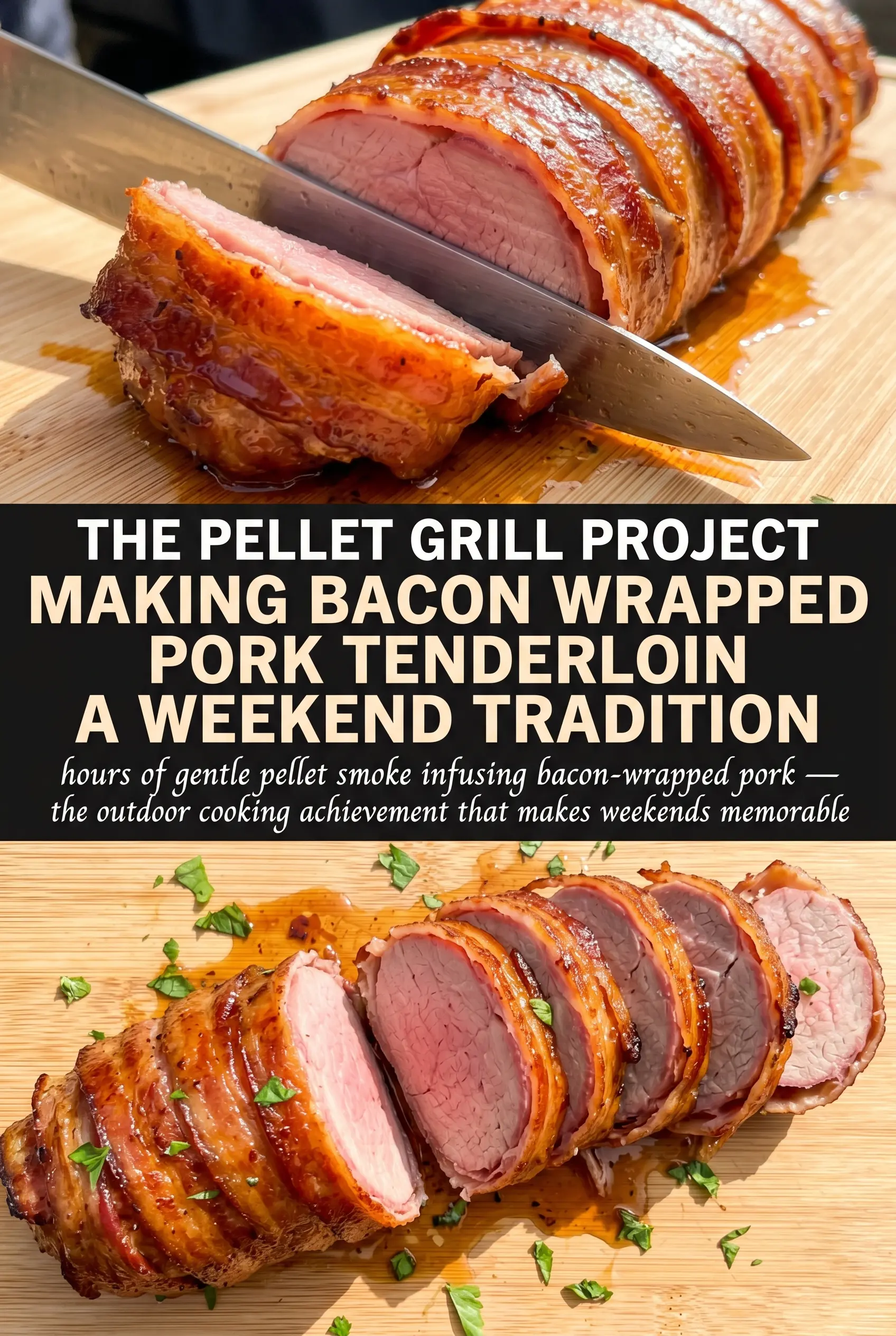
Bacon-wrapped pork tenderloin comes off the pellet grill with the kind of contrast that keeps people hovering near the cutting board: smoky edges, crisped bacon, and a tender center that stays juicy if you pull it at the right temperature. The brown sugar in the rub isn’t there to make it sweet; it helps the bacon caramelize and gives the pork a deeper, more rounded bark without overpowering the smoke.
The key is low heat and a little patience. Pork tenderloin is lean, which means it can go dry fast if the grill runs hot or you slice it too soon. Wrapping it in bacon adds flavor and a little protection, but the bacon still needs time to render, so the goal is tender meat first and crisp bacon second. A pellet grill makes that balance easier because the smoke stays steady while the heat stays gentle.
Below, I’ll walk through the part that matters most: how to season the pork so the rub sticks, how to wrap the bacon so it stays put, and how to tell when the tenderloin is done without guessing.
The bacon stayed on, the smoke flavor came through beautifully, and the pork was still juicy at 145. I sliced it after 10 minutes of resting and the center was perfect.
Save this smoked bacon wrapped pork tenderloin for the next time you want a juicy BBQ main with crisp bacon and almost no fuss.
The Bacon Wrap Is Doing More Than Decoration Here
Pork tenderloin doesn’t have much fat of its own, so the bacon isn’t just for looks. It adds a little insulation, bastes the surface as it renders, and gives you those crisp edges that make each slice taste richer than the ingredient list suggests. The trick is overlapping the slices just enough to cover the meat without building a thick armor that blocks smoke from reaching the pork.
The other thing that matters is the sugar in the rub. Brown sugar helps the bacon brown and gives the surface a more polished finish, but too much can turn sticky before the pork is cooked through. Keep the layer thin and even. If the rub clumps, break it up with your fingers before it hits the meat so you don’t end up with hot spots of sweetness.
- Pork tenderloin — Use true tenderloin, not pork loin. Tenderloin cooks faster and stays more delicate, which is exactly what you want here. If you swap in a loin roast, the timing changes and the texture will be firmer.
- Bacon — Regular-cut bacon wraps more cleanly than thick-cut slices and renders better in the time this recipe needs. Thick-cut bacon can work, but it often needs extra time that risks drying out the pork.
- Brown sugar — This helps the rub caramelize and pulls the bacon toward that mahogany finish. Dark brown sugar gives you a deeper molasses note; light brown sugar keeps it cleaner and milder.
- Paprika and garlic powder — These build the smoky, savory base without crowding the pork. Smoked paprika is a good swap if you want a stronger smoke note, but go easy if your pellets are already assertive.
- Apple or hickory pellets — Apple gives a softer smoke that plays nicely with bacon, while hickory brings a more classic barbecue edge. Both work; the choice changes the mood more than the method.
What Each Ingredient Is Actually Doing in Pellet Grill Smoked Bacon Wrapped Pork Tenderloin
- High heat (essential for browning) — High heat creates crust and caramelization. Medium heat just cooks without developing flavor.
- Oil or fat (for browning and flavor) — The fat helps transfer heat and create crust. It also carries seasonings.
- Salt and seasoning (bold, applied before) — Season confidently. The high heat cooking mellows flavors slightly.
- No moving it around (let it sit) — The food needs time to develop crust. Constant flipping and moving prevents browning.
- Timing (watch carefully) — High heat cooks fast. Check doneness frequently to avoid overcooking.
- Optional: finishing sauce or glaze — Apply in the last minute for flavor without burning. Heavy sauces applied early can char.
- Resting time (5-10 minutes before serving) — Resting allows juices to reabsorb. Cutting right away lets them run out.
- Optional: smoke or char flavor (if available) — Wood smoke or char adds depth. Build the fire strategically for the flavor you want.
Getting the Heat and Timing Right on the Pellet Grill
Building the Rub
Mix the brown sugar, paprika, garlic powder, onion powder, salt, and pepper until the color is even and there are no sugary pockets. That even blend matters because the sugar melts quickly and can scorch if it lands in one heavy pile. Pat the pork dry before you rub it so the seasoning actually sticks instead of sliding off onto the board. A thin, even coating gives you better bark than a heavy crust.
Wrapping the Tenderloin
Lay the bacon slices across the tenderloin with a slight overlap so the surface stays covered as the bacon shrinks. Don’t stretch the bacon tight; it will tighten on its own as it cooks, and an overworked wrap can split open. If the ends want to lift, tuck them underneath the tenderloin so the meat holds everything in place while it smokes.
Smoking to Temperature, Not the Clock
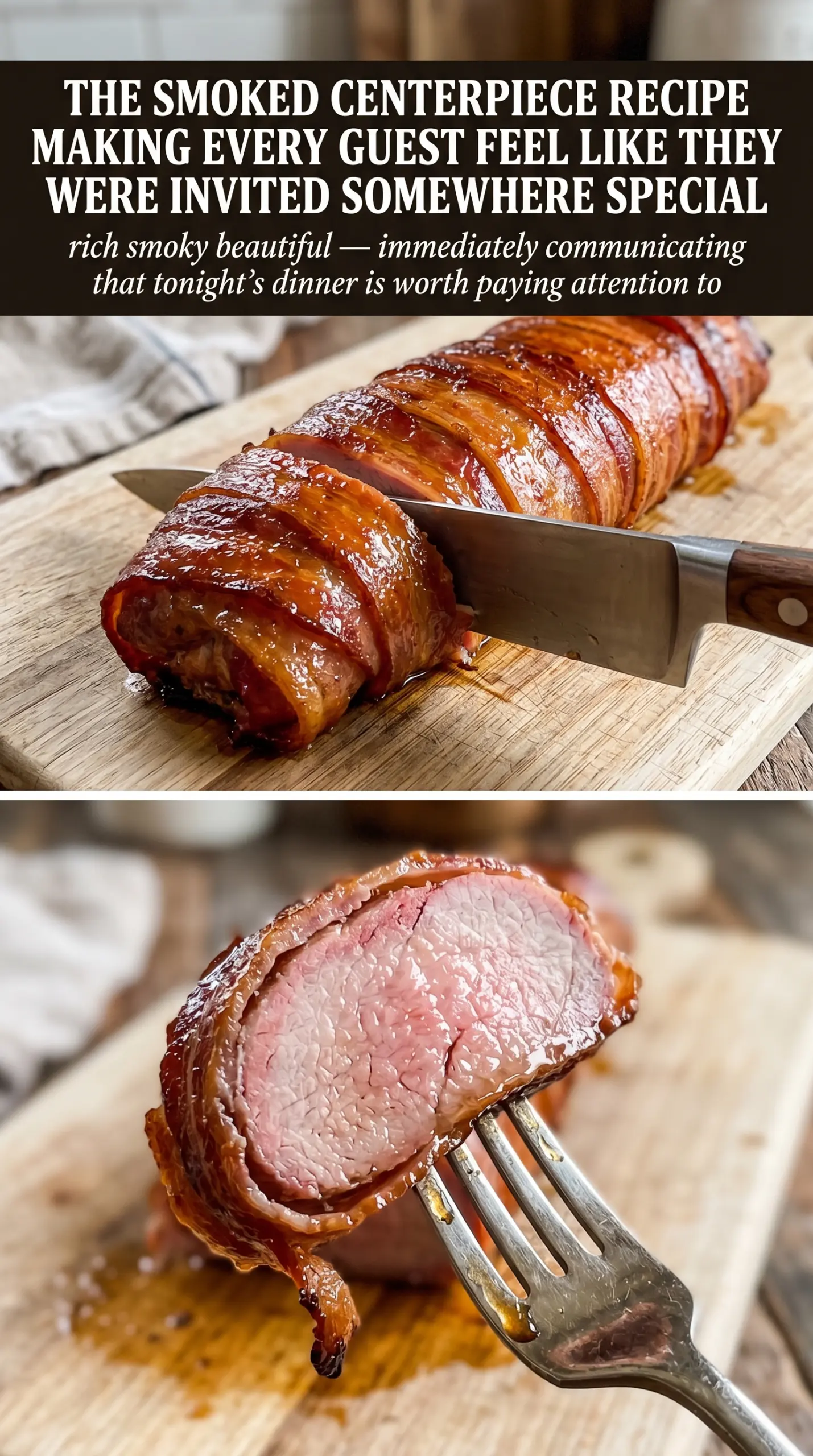
Preheat the pellet grill to 225°F and smoke the tenderloins until the center reaches 145°F. Time gives you a range, but temperature gives you the answer, and pork tenderloin can move from perfect to dry fast once it crosses the line. Start checking early if your tenderloins are small, and pull them as soon as they hit temperature. The bacon will continue to firm up a bit as the meat rests.
Resting Before the First Slice
Let the pork sit for about 10 minutes before slicing. That pause lets the juices settle back through the meat instead of running onto the cutting board. If you slice immediately, the center can look fine for the first cut and then dry out across the rest of the board. A short rest is the difference between tidy slices and a puddle of juice.
How to Adjust This Smoked Pork Tenderloin for Different Grills and Tables
No sugar, deeper savory bark
Leave out the brown sugar and lean on paprika, garlic, onion powder, salt, and pepper for a drier, more barbecue-style crust. You’ll lose a little caramelization, but the bacon still browns and the smoke reads cleaner.
Thick-cut bacon adjustment
Thick-cut bacon gives you a meatier bite, but it usually needs a little longer to render. If you use it, expect a softer wrap at the end unless you finish the tenderloin with a short blast of higher heat, and watch the pork temperature closely so it doesn’t overshoot.
Gluten-free and low-carb serving style
The recipe is naturally gluten-free as written as long as your seasoning ingredients are clean. For a lower-carb version, skip any sugary finishing sauce and serve it with grilled vegetables or a crisp salad so the bacon and smoke stay front and center.
Storage and Reheating
- Refrigerator: Store sliced or whole tenderloin in an airtight container for up to 4 days. The bacon softens a bit, but the pork stays good.
- Freezer: This freezes well if you wrap it tightly and freeze it in slices or whole sections for up to 2 months. Thaw it in the refrigerator overnight for the best texture.
- Reheating: Warm it gently in a 300°F oven, covered, until just heated through. High heat is the mistake that dries out lean pork and makes the bacon rubbery before the center is warm.