Tender grilled chicken with bright lemon, fresh ginger, and soy sauce is the kind of main dish that keeps showing up because it hits every mark: fast prep, bold flavor, and a finish that tastes like you worked harder than you did. The marinade brings salt, acid, sweetness, and a little sesame depth, so the chicken comes off the grill juicy with caramelized edges and an aroma that turns heads the second it leaves the heat.
This version works because the lemon juice and soy sauce are balanced instead of pushed too far in either direction. Too much acid can make chicken tight and stringy, while too much soy can drown out the ginger and lemon zest; here, the marinade stays bright and layered. A little honey helps the surface brown on the grill, and the olive oil carries the aromatics across the meat so every bite tastes seasoned all the way through.
Below, I’ll walk through the one detail that keeps the chicken from drying out, the ingredient swap that matters most if you’re using thighs instead of breasts, and the timing that makes the flavor taste clean instead of harsh.
The marinade gave the chicken such a clean lemon-ginger flavor, and the grill marks came out perfect without the edges burning. I used thighs and they stayed juicy even after slicing.
Save this lemon ginger soy grilled chicken for nights when you want bold marinade flavor and juicy grilled chicken without extra fuss.
The Marinade Needs Balance, Not More Time
The biggest mistake with lemon-based marinades is assuming longer always means better. Once the chicken has had enough time to take on the salt, ginger, garlic, and citrus, the acid starts changing the surface texture in a way that can turn the meat firm instead of tender. For this recipe, 2 to 6 hours is the sweet spot. Less than that and the flavor stays thin; much longer and the lemon can start working against you, especially with breasts.
Grilling also matters here because the honey and citrus need direct heat to caramelize, but not so much that the sugar burns before the inside cooks through. Medium-high heat gives you those dark grill marks and a juicy center. If your chicken sticks, the grill was either not hot enough or you tried to move it too soon.
- Lemon juice — Fresh juice gives this marinade its brightness. Bottled juice tastes flatter and can bring a harsh edge, so it’s worth squeezing fresh here.
- Ginger — Grated fresh ginger is not replaceable in the same way. Powdered ginger won’t give you the same sharp, floral bite or the little bits that cling to the chicken.
- Honey — This helps the outside brown and rounds out the salt and acid. If you skip it, the marinade tastes harsher and the chicken won’t pick up as much color.
- Chicken thighs or breasts — Thighs stay juicier and are more forgiving on the grill. Breasts work fine, but they need closer attention and a thermometer so they don’t dry out.
- Sesame oil — A small amount changes the whole profile. It adds a toasted finish that ties the soy and ginger together without making the marinade greasy.
What Each Ingredient Is Actually Doing in Lemon Ginger Soy Marinated Grilled Chicken
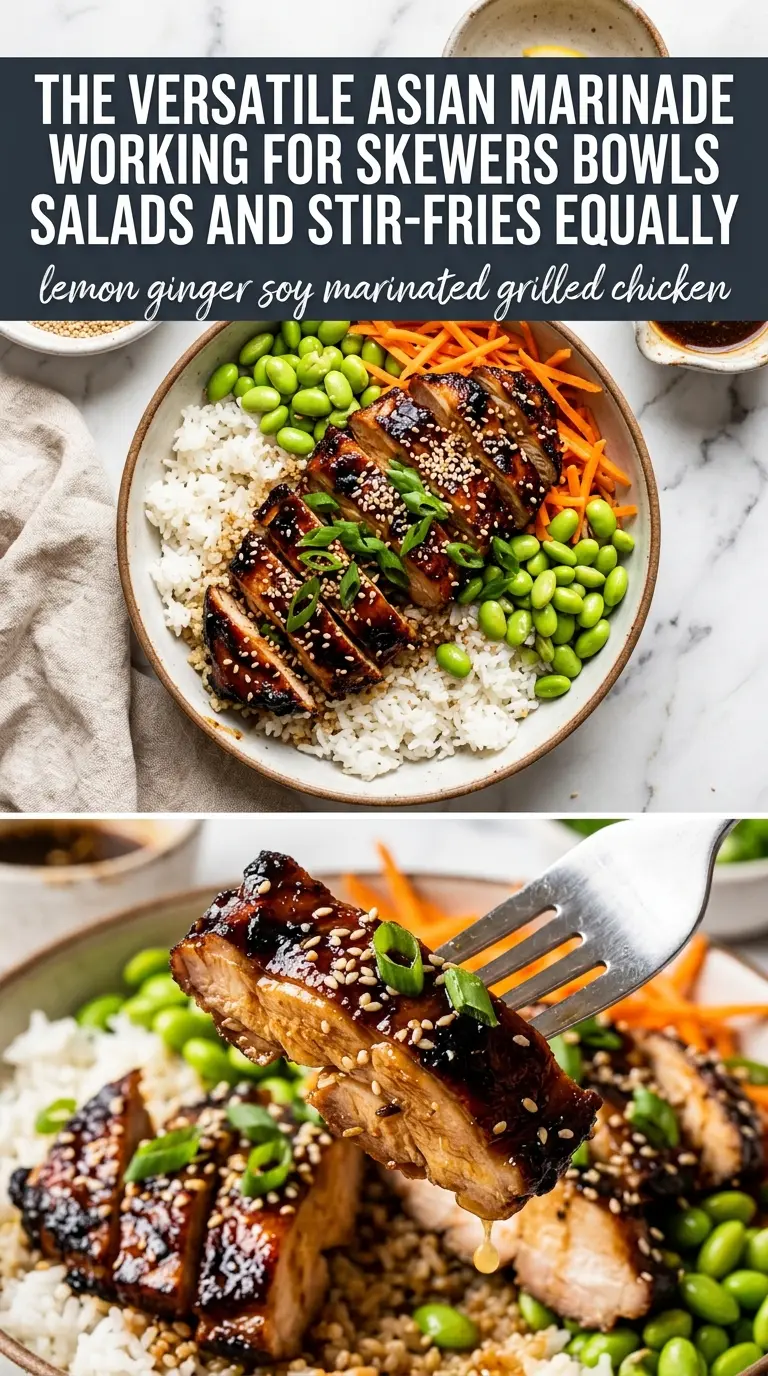
- High heat (essential for browning) — High heat creates crust and caramelization. Medium heat just cooks without developing flavor.
- Oil or fat (for browning and flavor) — The fat helps transfer heat and create crust. It also carries seasonings.
- Salt and seasoning (bold, applied before) — Season confidently. The high heat cooking mellows flavors slightly.
- No moving it around (let it sit) — The food needs time to develop crust. Constant flipping and moving prevents browning.
- Timing (watch carefully) — High heat cooks fast. Check doneness frequently to avoid overcooking.
- Optional: finishing sauce or glaze — Apply in the last minute for flavor without burning. Heavy sauces applied early can char.
- Resting time (5-10 minutes before serving) — Resting allows juices to reabsorb. Cutting right away lets them run out.
- Optional: smoke or char flavor (if available) — Wood smoke or char adds depth. Build the fire strategically for the flavor you want.
Grilling Chicken That Stays Juicy Instead of Drying Out
Building the Marinade
Whisk everything until the honey dissolves and the ginger is evenly distributed. You want the marinade to look glossy, not separated, because the oil helps carry the aromatics across the chicken. If the garlic sinks in clumps, keep whisking for a few more seconds before the chicken goes in.
Letting the Chicken Marinate
Coat the chicken fully and refrigerate it in a shallow dish or zip-top bag for 2 to 6 hours. Turn it once if you can so both sides absorb the seasoning evenly. Don’t push it past that window if you’re using breasts; the lemon will start tightening the outer layer instead of improving it.
Getting the Grill Right
Preheat the grill to medium-high and oil the grates if needed. The chicken should sizzle when it hits the surface, not sit there and slowly leak juice. If the grill is too hot, the honey can scorch before the center reaches 165°F; if it’s too cool, the chicken steams and loses that grilled edge.
Finishing and Resting
Cook the chicken for 6 to 8 minutes per side, depending on thickness, until the internal temperature reaches 165°F at the thickest part. Pull it off the heat and let it rest for 5 minutes before slicing. That short rest keeps the juices in the meat instead of on the cutting board.
How to Adapt This for Different Cuts and Diets
For chicken thighs
Thighs handle the marinade beautifully and forgive a little overcooking, which makes them a smart choice for grilling. They’ll need a few extra minutes if they’re thick, but the payoff is a richer, juicier bite with more browned edges.
Gluten-free version
Use a certified gluten-free soy sauce or tamari. The flavor stays the same, but the dish becomes safe for anyone avoiding wheat without changing the method at all.
Lower-sugar option
Reduce the honey to 1 teaspoon if you want a less sweet finish. The chicken will still brown, but the surface color will be a little lighter and the marinade will taste sharper and more savory.
No grill, indoor method
Use a hot grill pan or cast-iron skillet and cook over medium-high heat. You’ll still get good browning, but the smoky edge will be lighter, so let the pan heat fully before adding the chicken.
Storage and Reheating
- Refrigerator: Store cooked chicken in an airtight container for up to 4 days. Slice it after it cools so it reheats more evenly.
- Freezer: It freezes well for up to 2 months. Wrap portions tightly and thaw overnight in the refrigerator so the texture stays closer to fresh.
- Reheating: Reheat gently in a covered skillet over low heat with a splash of water or chicken broth. High heat dries out the leanest pieces fast, especially breast meat.
Questions I Get Asked About This Recipe

Lemon Ginger Soy Marinated Grilled Chicken
Ingredients
Equipment
Method
- Whisk together soy sauce, lemon juice, lemon zest, olive oil, fresh ginger, garlic, honey, sesame oil, salt, and pepper until the honey dissolves and the mixture looks glossy.
- Transfer the marinade to a bowl or bag so it can fully coat the chicken.
- Add the chicken to the refrigerator and marinate for 2-6 hours, turning once if convenient, so the surface takes on a bright yellow-gold color.
- Preheat the grill to medium-high heat until you can feel steady heat when holding your hand near the grates.
- Remove chicken from the marinade and grill for 6-8 minutes per side, until the internal temperature reaches 165°F and the outside looks lightly charred with visible ginger flecks.
- Let the chicken rest for 5 minutes, loosely tented if needed, so the juices redistribute before slicing.