Citrus-marinated chicken with a little char on the edges and a bright Key lime finish earns its place on repeat fast. The marinade brings tang, sweetness, and just enough spice to keep every bite lively, while the grill gives it that smoky snap you can’t get from the oven alone.
What makes this version work is balance. Key lime juice gives the sharp, floral acidity that makes the chicken taste clean and fresh, but orange juice softens the edges so the marinade doesn’t turn harsh. Honey helps the surface brown on the grill, and a short rest after cooking keeps the juices where they belong instead of running all over the cutting board.
Below I’ve included the small details that matter most: how long to marinate without making the chicken mushy, how to tell when the grill is hot enough for good color, and a few smart swaps if you only have regular lime or need to cook it indoors.
The marinade gave the chicken this bright citrus flavor, and the honey helped it get that gorgeous char without burning. I grilled it for dinner and the cilantro-lime finish made it taste like something from a beach restaurant.
Save this Key West Grilled Chicken for the nights when you want bright citrus, smoky grill marks, and a Key lime finish.
The Marinade Needs Acid, But Not Too Much Time
With citrus chicken, the line between flavorful and muddy is thinner than people think. The lime and orange juice do the lifting here, but they can also start changing the texture if the chicken sits too long. Two to six hours gives you the clean, bright flavor you want without turning the outside soft or chalky.
Honey is doing more than sweetening. It helps the chicken take on color on the grill, which is important because citrus alone can taste flat if the surface never browns. Garlic and cumin bring the savory backbone, so the dish tastes like actual dinner, not just marinated chicken with a squeeze of fruit on top.
- Key lime juice — This is the sharpest, most distinctive flavor in the dish. Regular lime works fine if that’s what you have, but Key lime gives the marinade a slightly more floral bite that fits the tropical feel.
- Orange juice — Don’t skip it. It rounds out the acidity and keeps the marinade from tasting skinny or aggressively sour.
- Honey — This helps with browning and gives the glaze a light stickiness on the grill. Maple syrup can work in a pinch, but it will taste less clean and more woodsy.
- Cumin — A small amount is enough. It adds warmth and depth so the chicken doesn’t read as one-note citrus.
- Chicken pieces — Bone-in pieces stay juicier on the grill and hold up well to the marinade. If you use boneless breasts, shorten the cook time and watch the temperature closely because they dry out fast.
What Each Ingredient Is Actually Doing in Key West Grilled Chicken
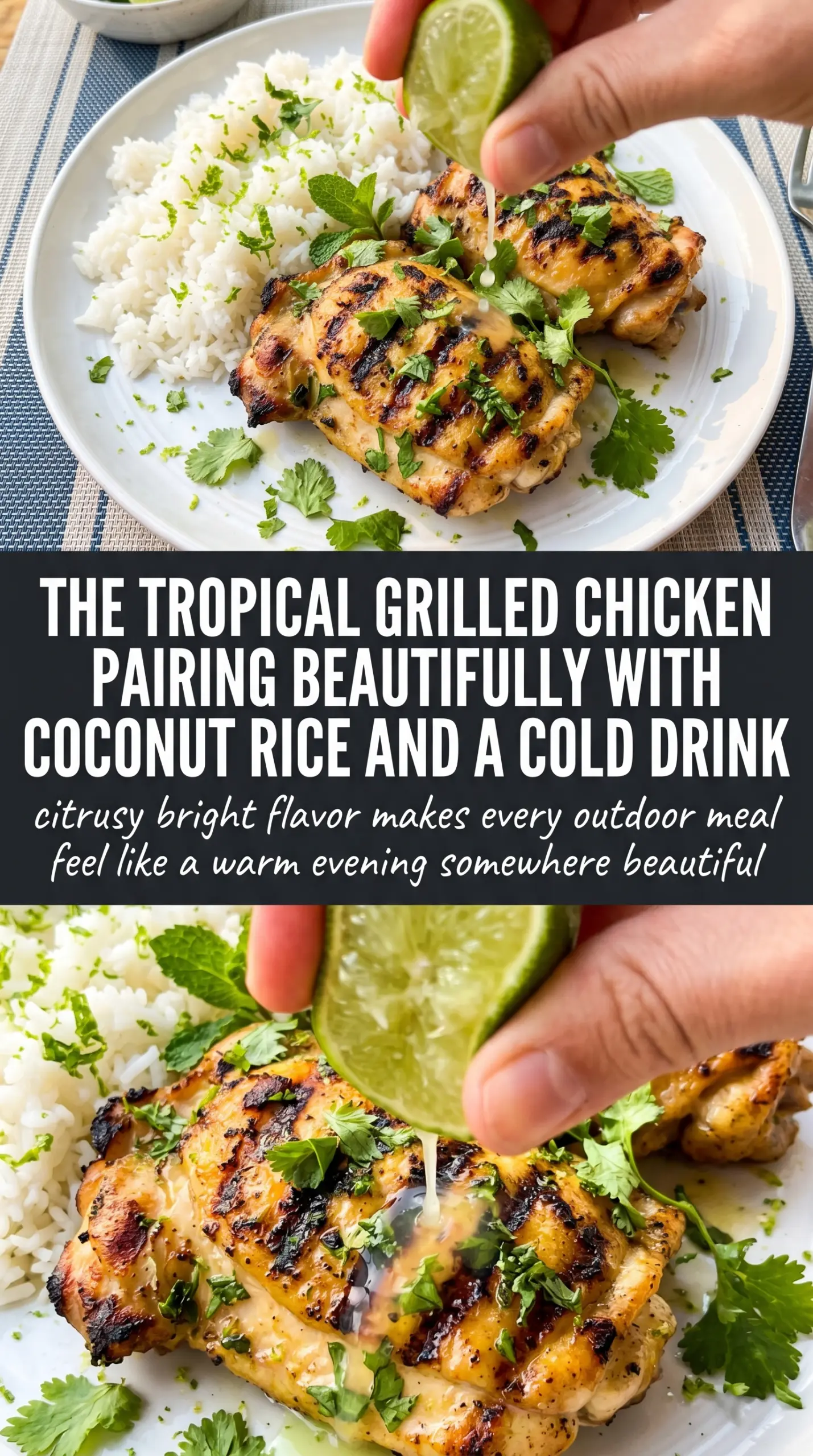
- High heat (essential for browning) — High heat creates crust and caramelization. Medium heat just cooks without developing flavor.
- Oil or fat (for browning and flavor) — The fat helps transfer heat and create crust. It also carries seasonings.
- Salt and seasoning (bold, applied before) — Season confidently. The high heat cooking mellows flavors slightly.
- No moving it around (let it sit) — The food needs time to develop crust. Constant flipping and moving prevents browning.
- Timing (watch carefully) — High heat cooks fast. Check doneness frequently to avoid overcooking.
- Optional: finishing sauce or glaze — Apply in the last minute for flavor without burning. Heavy sauces applied early can char.
- Resting time (5-10 minutes before serving) — Resting allows juices to reabsorb. Cutting right away lets them run out.
- Optional: smoke or char flavor (if available) — Wood smoke or char adds depth. Build the fire strategically for the flavor you want.
Getting the Char Before the Chicken Dries Out
Whisk the Marinade Until It Looks Unified
Start by whisking the lime juice, orange juice, olive oil, garlic, honey, cumin, salt, and pepper until the honey loosens and the mixture looks glossy, not separated. If you can still see thick streaks of honey, it’ll cling unevenly to the chicken. The olive oil helps carry the flavors and gives the chicken a better finish on the grill.
Marinate for Flavor, Not Forever
Add the chicken and turn it until every piece is coated. Cover and chill for 2 to 6 hours. Less than 2 hours and the citrus won’t have time to do much; much longer than 6 hours and the acid starts working against the texture. If you’re using smaller pieces or boneless cuts, stay closer to the short end of that window.
Grill Over Medium-High Heat and Leave It Alone
Set the chicken on a medium-high grill and let it sear before moving it. If you try to turn it too soon, the skin or surface will stick and tear instead of releasing with those clean grill marks. Cook until the internal temperature hits 165°F, and use the lid if the outside is getting dark before the center is done. The best cue is a deep golden char with juices that run clear, not a blackened surface with a pale center.
Rest, Then Finish Bright
Let the chicken rest for 5 minutes before serving. That short pause keeps the juices in the meat instead of spilling out the second you cut in. Finish with fresh cilantro and lime wedges so the last flavor is fresh and sharp, not dulled by heat. A final squeeze of lime right before eating wakes everything up.
How to Adapt This When You Don’t Have a Grill
Use a grill pan or cast-iron skillet
A very hot grill pan gives you the closest thing to outdoor grilling, and cast iron does a nice job with the honey in the marinade because it encourages browning. You’ll lose a little smoky flavor, but you’ll still get crisp edges and a good sear.
Make it dairy-free and naturally gluten-free
This recipe already fits both of those needs as written, which makes it an easy one to serve to a mixed crowd. Just check that your honey is pure and your seasonings don’t contain added fillers if you’re cooking for someone with a sensitive diet.
Swap the citrus when Key limes aren’t available
Regular lime juice works fine, and if you want a softer finish, you can replace part of the orange juice with pineapple juice. Pineapple makes the marinade sweeter and more tropical, but it also pushes the flavor away from the cleaner Florida-style profile.
Storage and Reheating
- Refrigerator: Store leftovers in an airtight container for up to 4 days. The citrus flavor stays bright, but the surface won’t be as crisp the next day.
- Freezer: Freeze cooked chicken for up to 2 months. Wrap it tightly and thaw it in the refrigerator so the texture stays as close to the original as possible.
- Reheating: Reheat gently in a covered skillet over low heat with a splash of water or broth, or warm it in a 300°F oven until just heated through. High heat dries out grilled chicken fast, so don’t blast it in the microwave unless you’re willing to trade texture for speed.
Questions I Get Asked About This Recipe
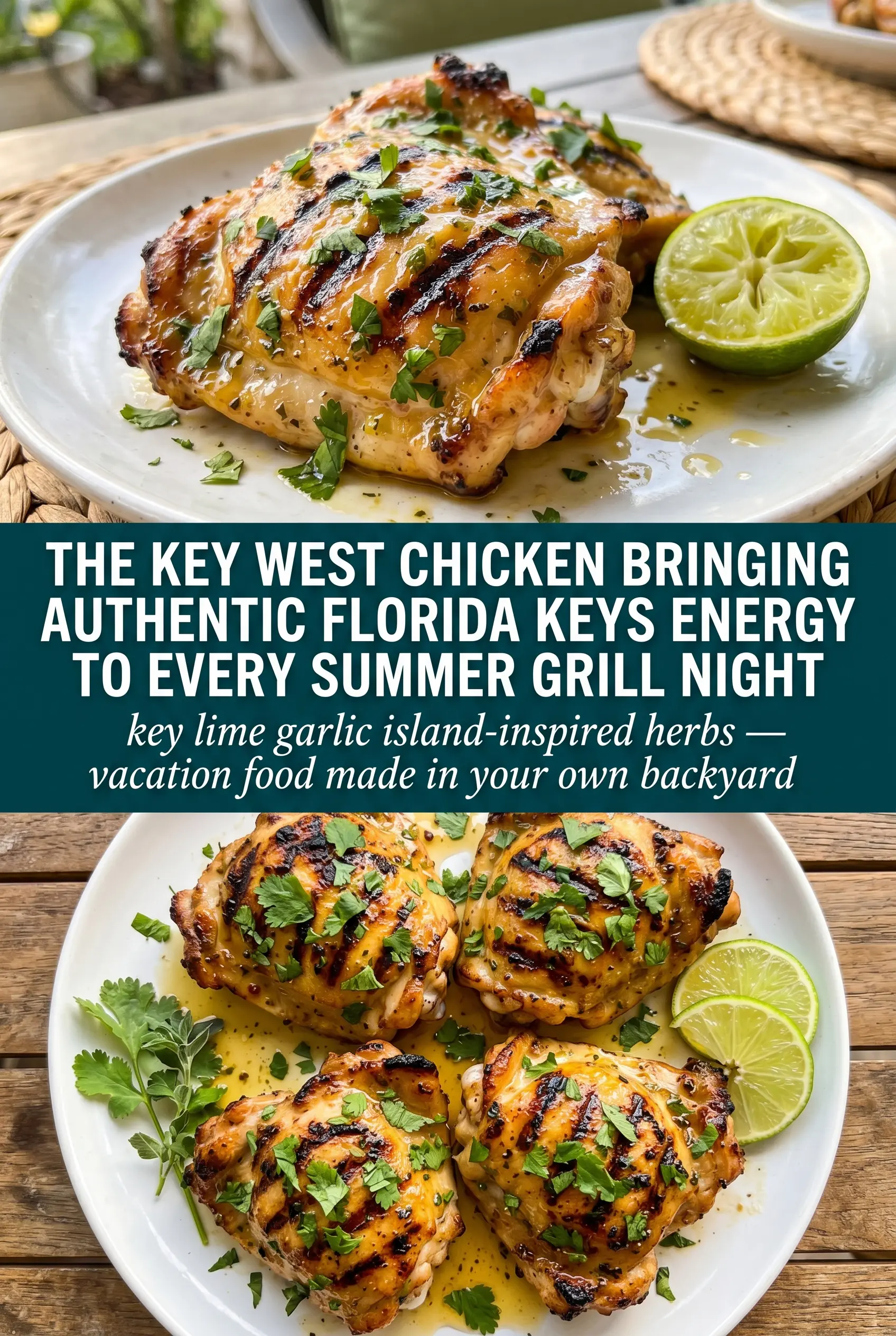
Key West Grilled Chicken
Ingredients
Equipment
Method
- Whisk together Key lime juice, orange juice, olive oil, minced garlic, honey, cumin, salt, and pepper until smooth and honey dissolves.
- Set the marinade aside so the flavors meld slightly while you prep the chicken.
- Add chicken pieces to the marinade and coat evenly, then cover and marinate for 2–6 hours in the refrigerator.
- Let the marinated chicken sit at fridge-cold temperature until you’re ready to grill, keeping it covered until cooking time.
- Preheat the grill to medium-high heat.
- Grill the marinated chicken over medium-high heat until the thickest part reaches 165°F, turning as needed for even char.
- Remove chicken from the grill and let it rest 5 minutes to redistribute juices.
- Garnish with fresh cilantro and lime wedges before serving.