Smoked mac and cheese earns its place next to ribs, brisket, and pulled pork because it brings the kind of rich, creamy comfort that still feels right beside a smoky grill. The pasta stays tender, the sauce clings thickly to every piece, and the panko topping turns into a crisp, golden lid instead of disappearing into the cheese. That mix of creamy center and crunchy top is what makes people keep sneaking back for one more spoonful.
The key here is building a sauce that stays smooth in the smoker. Whole milk and heavy cream give the base enough body to hold up over low heat, and the cheddar plus Gouda combination brings sharpness and meltability without turning greasy. The macaroni gets fully coated before it goes into the pan, so the smoke finishes the dish instead of drying it out. A short rest at the end matters too — it gives the sauce time to settle so the first scoop doesn’t run all over the pan.
Below you’ll find the little details that keep this from going grainy, a few smart swaps if you want to adjust the cheese blend, and the timing cue I use when the top is ready but the center still needs a few more minutes.
The sauce stayed creamy all the way through the smoke, and that panko top came out crisp instead of soggy. I used it for a backyard cookout and there wasn’t a spoonful left.
Save this smoked mac and cheese for your next BBQ when you want a creamy center and a crisp panko top.
The Part Most Smoked Mac and Cheese Gets Wrong
The biggest mistake with smoked mac and cheese is treating it like a casserole that can sit in the smoker forever. It can’t. The pasta is already cooked, the sauce is already built, and the smoker’s job is to add flavor, heat it through, and crisp the top. Leave it too long and the dairy tightens up, the noodles start drinking in too much liquid, and the whole pan turns heavy instead of creamy.
The other trap is a broken cheese sauce. If the pan is too hot when the cheese goes in, or if the cheese is added too fast, the fats can separate and the sauce turns grainy. Low heat and steady whisking are what keep it smooth. Once the cheese melts, stop cooking it hard and move straight to the pan with the pasta.
- Smoke temperature matters. At 225°F, the dish heats through without punishing the sauce. Higher heat works against you and dries out the edges before the center is ready.
- Disposable aluminum pan helps a lot. It makes cleanup easier, but it also keeps the mac and cheese shallow enough for the top to brown evenly.
- The rest time is part of the recipe. Ten minutes gives the sauce a chance to settle so each scoop holds together instead of spilling like soup.
What the Cheddar, Gouda, and Panko Each Bring to the Pan
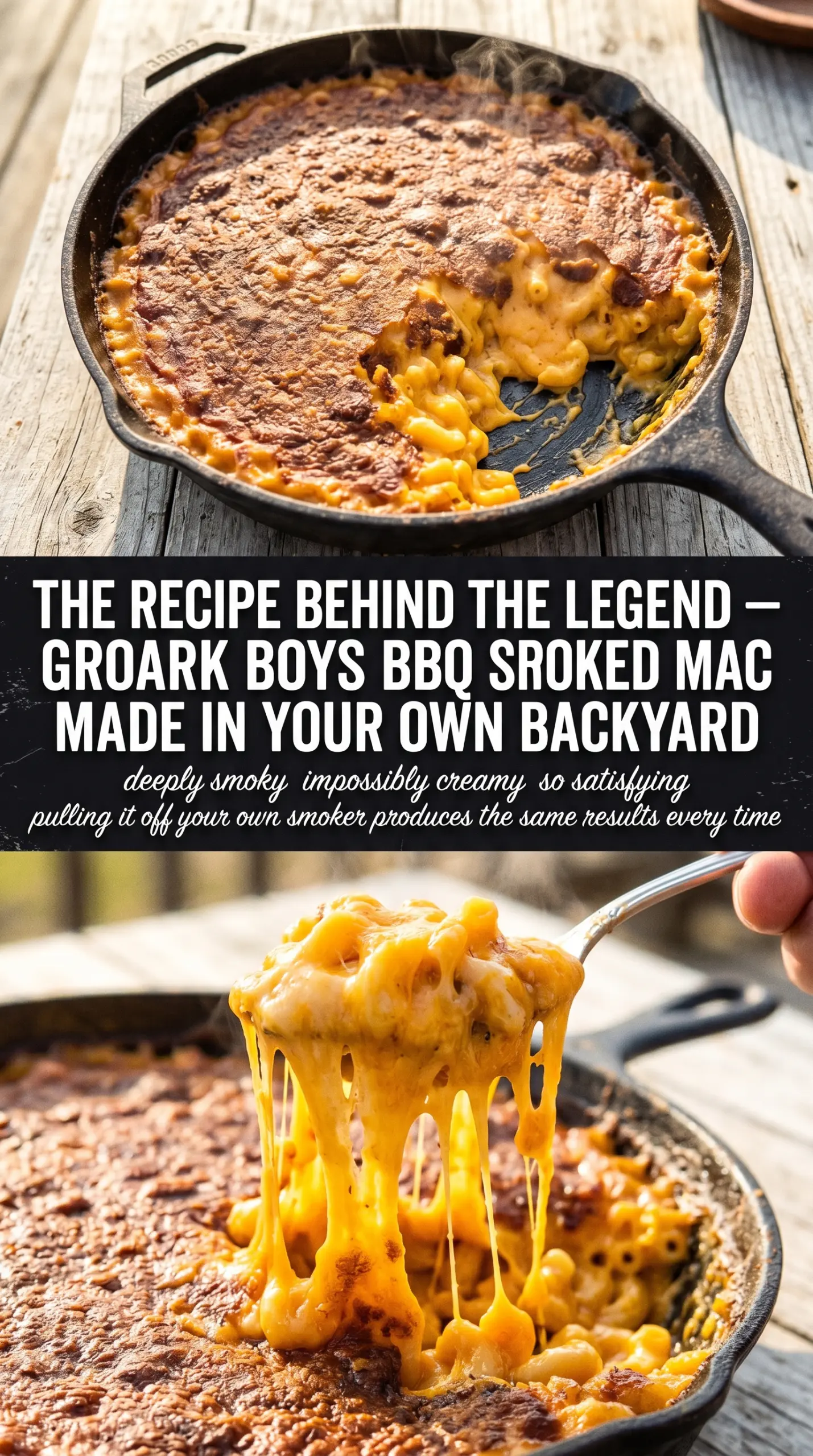
- Sharp cheddar gives the sauce its backbone. It brings the strongest flavor and enough structure to keep the dish from tasting flat. Pre-shredded works in a pinch, but freshly shredded melts smoother because it doesn’t carry the anti-caking starch that can make sauces a little chalky.
- Gouda is what makes the texture lush. It melts beautifully and softens the sharper cheddar edge without making the sauce bland. If you swap it, use another good melting cheese like Monterey Jack; the flavor will be milder and the finish less rich.
- Whole milk and heavy cream keep the sauce from getting stiff in the smoker. You need both. Milk alone can work, but the sauce won’t feel as indulgent, and cream alone can get too heavy. The mix gives you body without turning the dish dense.
- Panko breadcrumbs stay crisper than standard breadcrumbs. Toss them with melted butter before they go on top so they brown instead of drying out. If you skip that step, they’ll look pale and dusty instead of golden.
Building the Sauce, Then Letting the Smoker Finish the Job
Starting the Roux
Melt the butter, then whisk in the flour and cook it just long enough to lose the raw, pasty smell. It should look smooth and slightly foamy, not browned for this dish. If the roux gets too dark, the sauce loses the clean, creamy flavor that lets the cheese come through.
Adding the Dairy Without Seizing the Sauce
Whisk in the milk and cream slowly, a little at a time at first, so the roux can absorb the liquid without turning lumpy. The mixture will look thin before it thickens; that part is normal. Keep whisking until it lightly coats the spoon, then move on to the cheese while the pan is still over gentle heat.
Melting in the Cheese
Add the cheese in handfuls and let each addition melt before the next goes in. If the sauce starts looking oily or grainy, the heat is too high, so pull the pan off the burner and stir until it comes back together. Seasoning goes in here too, and the garlic powder and onion powder should taste present but not loud.
Smoking Until the Top Sets
Mix the sauce with the cooked macaroni in the pan, spread it evenly, and finish with the buttered panko. Smoke it until the edges are bubbling and the top has a deep golden color with a little crunch when tapped. If the top browns too fast before the center bubbles, tent it loosely with foil for the rest of the cook.
The Final Rest
Let the pan sit for about 10 minutes before serving. That pause keeps the cheese sauce from running everywhere on the plate and gives the macaroni a better, creamier cling. Digging in immediately is the fastest way to end up with a loose, soupy pan.
How to Adapt This for a Smaller Crowd or a Different Diet
Make it gluten-free
Use gluten-free elbow pasta and swap the all-purpose flour for a gluten-free flour blend that works as a 1:1 thickener. Keep the rest of the process the same, but watch the sauce thickness closely because some blends thicken a little faster than wheat flour.
Go lighter on the dairy
You can replace the heavy cream with more whole milk, but the sauce will be a touch less rich and a little less stable in the smoker. I wouldn’t cut the fat much farther than that, because the sauce needs enough body to stay creamy over heat.
Add a little heat
A pinch of cayenne or a handful of pepper jack turns this into a sharper, bolder side dish. Keep the amount modest so the smoke and cheese still taste like the main event instead of the spice.
Storage and Reheating
- Refrigerator: Store leftovers covered for up to 4 days. The sauce will firm up as it chills, which is normal.
- Freezer: It freezes, but the texture turns a little grainy after thawing. If you freeze it, portion it tightly and reheat with a splash of milk.
- Reheating: Warm it covered in a 300°F oven until hot, or reheat single servings gently on the stovetop with a spoonful of milk. High heat is the mistake that makes the cheese separate.
Questions I Get Asked About This Recipe
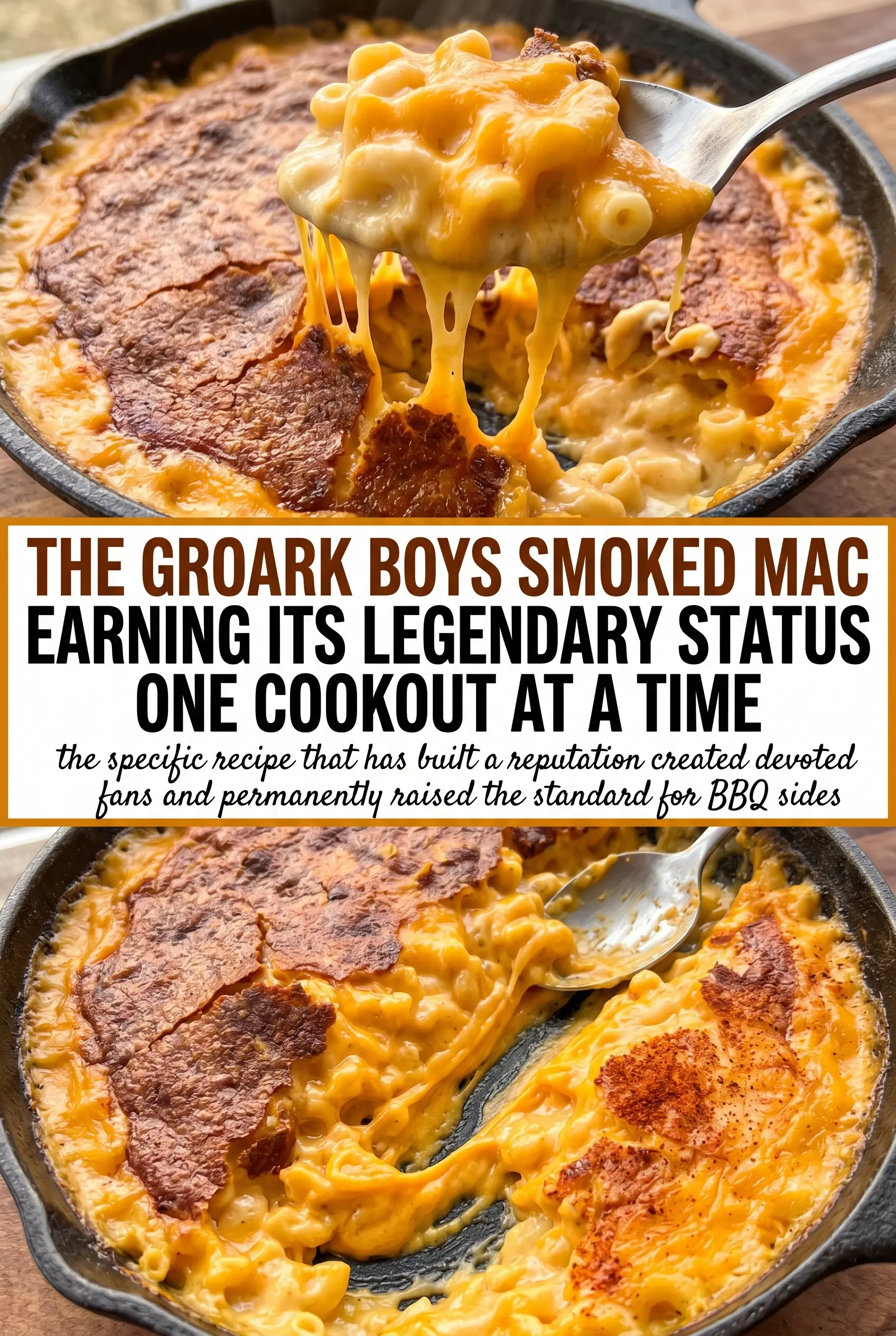
Groark Boys BBQ Smoked Mac and Cheese
Ingredients
Equipment
Method
- Prepare the smoker to 225°F with your choice of wood. Keep the smoke visible and steady before you start assembling.
- Melt the butter over medium heat until it turns glossy. Maintain gentle bubbling so it doesn’t brown.
- Add the all-purpose flour and whisk for 1 to 2 minutes. You want a smooth, pale paste with no raw flour smell.
- Whisk in the whole milk and heavy cream slowly until smooth. Bring to a simmer and keep whisking until thickened, about 5 to 8 minutes.
- Add the sharp cheddar cheese and Gouda cheese and stir until fully melted. The sauce should look thick and cohesive with a glossy surface.
- Season with garlic powder, onion powder, salt, and pepper. Taste and adjust so the flavor pops in every bite.
- Mix the cooked elbow macaroni with the cheese sauce in a disposable aluminum pan. Fold until every noodle is coated.
- Combine the panko breadcrumbs with the melted butter and sprinkle evenly over the top. You should see an even, dry crumb layer.
- Smoke at 225°F for 60 to 90 minutes, until the mac and cheese is bubbly and the top is golden. Look for active bubbling around the edges and a browned crust in the center.
- Let the mac and cheese rest for 10 minutes before serving. The sauce will thicken slightly and slice more cleanly from the pan.