Sticky, glossy chicken teriyaki earns its place in the regular dinner rotation when the glaze clings in a shiny coat and the edges pick up just enough char to taste caramelized, not burnt. The best version balances sweet, salty, and a little ginger bite, then lands on tender chicken that slices cleanly and still feels juicy over rice.
This version works because the marinade does double duty: it seasons the chicken from the inside and becomes the base for the final glaze. Mirin gives that rounded, gently sweet finish that plain sugar and soy sauce can’t quite fake, while a short marinating window keeps the texture good instead of turning the meat mushy. A quick simmer with reserved marinade gives you that restaurant-style shine without needing a separate sauce.
Below, I’ve included the little details that matter most: how long to marinate, when to baste, and how to thicken the glaze without ending up with a dull, salty sauce. If you’ve ever had teriyaki that tasted flat or looked thin and watery, this version fixes both problems.
The marinade made the chicken taste like it had been on the grill all day, and the glaze thickened up perfectly without getting syrupy. My husband kept going back for more rice just to get extra sauce.
Save this easy chicken teriyaki for the nights when you want glossy glazed chicken, caramelized edges, and a fast rice bowl dinner.
The Marinade That Stays Glossy Instead of Turning Watery
The biggest mistake with teriyaki chicken is treating the marinade like a dump-and-go sauce and then wondering why the finished glaze tastes thin. The trick is reserving part of the marinade before the chicken touches it, then using that clean portion for basting or simmering. Once raw chicken has been in the bowl, that liquid stays a marinade only — it should never be poured straight into a serving sauce unless it gets boiled first.
Short marinating time matters here. Thirty minutes gives the chicken plenty of seasoning, and two hours is enough if you want a deeper soy-sweet flavor. Much longer than that, especially with breasts, can make the texture a little soft around the edges and mute the chicken itself.
- Chicken thighs stay juicier and handle high heat better, which makes them the safer choice if you want caramelized edges and don’t want to babysit the pan.
- Chicken breasts work fine, but they need a little more attention. Pull them off the heat as soon as the center reaches doneness so they don’t dry out while the glaze finishes.
- Mirin adds depth and that classic teriyaki roundness. If you don’t have it, rice wine with a little extra brown sugar is the closest swap.
- Cornstarch is optional, but it gives the reserved marinade the kind of sheen that clings to rice. Without it, the sauce is thinner but still flavorful.
What Each Ingredient Is Actually Doing in the Pan

- Soy sauce brings the salt and the backbone of the glaze. Use a regular all-purpose soy sauce here; low-sodium is fine if that’s what you keep, but the finished sauce will taste a little lighter.
- Brown sugar and honey work together to give the glaze body and shine. Sugar alone can taste sharp; honey softens it and helps the sauce lacquer the chicken as it cooks.
- Garlic and ginger keep the teriyaki from tasting one-note sweet. Fresh is worth using here because powdered versions don’t give the same bright finish.
- Mirin or rice wine adds acidity and depth that balance the sweetness. If you skip it, the sauce still works, but it tastes flatter and more like a simple soy glaze.
- Sesame seeds and green onions aren’t just garnish. They add a little crunch and freshness that keeps each bite from feeling heavy.
The Part That Makes the Glaze Stick
Building the Marinade
Whisk the soy sauce, mirin, brown sugar, honey, garlic, and ginger until the sugar dissolves as much as it can. If the mixture still feels grainy, that’s normal — it smooths out once it hits heat. Reserve part of it before adding the chicken so you’ve got a clean portion for finishing later. That one habit keeps the glaze bright and safe to use as a sauce.
Marinating Without Wrecking the Texture
Coat the chicken and let it sit for 30 minutes to 2 hours. Turn it once if the pieces aren’t fully submerged so the seasoning stays even. Don’t push this into an overnight marinade unless you’re using thighs and you’re comfortable with a stronger soy flavor; breasts can start to lose their good texture if they sit too long.
Grilling or Searing to Get the Caramelized Edges
Cook over medium-high heat until the chicken releases from the grill or pan with a little resistance and you can see deep color forming on the outside. Baste during the last part of cooking, not from the start, or the sugar will scorch before the chicken cooks through. If the glaze is darkening too fast, move the chicken to a cooler part of the grill or lower the heat under the pan.
Thickening the Reserved Sauce
Simmer the reserved marinade with cornstarch until it turns shiny and slightly thick, like a thin syrup that coats the back of a spoon. If it goes from thin to gluey, it stayed on the heat too long; whisk in a splash of water to loosen it. This finish is what gives the chicken that glossy takeout-style look when you spoon it over rice.
How to Adjust This Teriyaki Chicken for Different Nights
Gluten-Free Teriyaki
Swap the soy sauce for tamari or a certified gluten-free soy sauce. The flavor stays close, though tamari usually tastes a little rounder and less sharp. Check your mirin as well, since some brands include additives that aren’t gluten-free.
Lower-Sugar Version
Cut the brown sugar to 2 tablespoons and keep the honey at 1 tablespoon. The glaze will still brown and cling, but it won’t be quite as thick or candy-like. You may need an extra minute of simmering to get the same shine.
Chicken Thighs vs. Chicken Breasts
Thighs give you the juiciest result and handle basting beautifully. Breasts cook faster and look cleaner when sliced, but they dry out quickly if you leave them on the heat too long. If you use breasts, keep the pieces even in thickness so they finish at the same time.
Storage and Reheating
- Refrigerator: Store leftovers in an airtight container for up to 4 days. The glaze will thicken as it chills, which is normal.
- Freezer: The cooked chicken freezes well for up to 2 months. Freeze it with a little extra sauce so it doesn’t dry out when thawed.
- Reheating: Warm it gently in a skillet over low heat with a splash of water, or microwave it in short bursts. High heat will tighten the chicken and make the glaze stick to the pan instead of the meat.
Questions I Get Asked About This Recipe
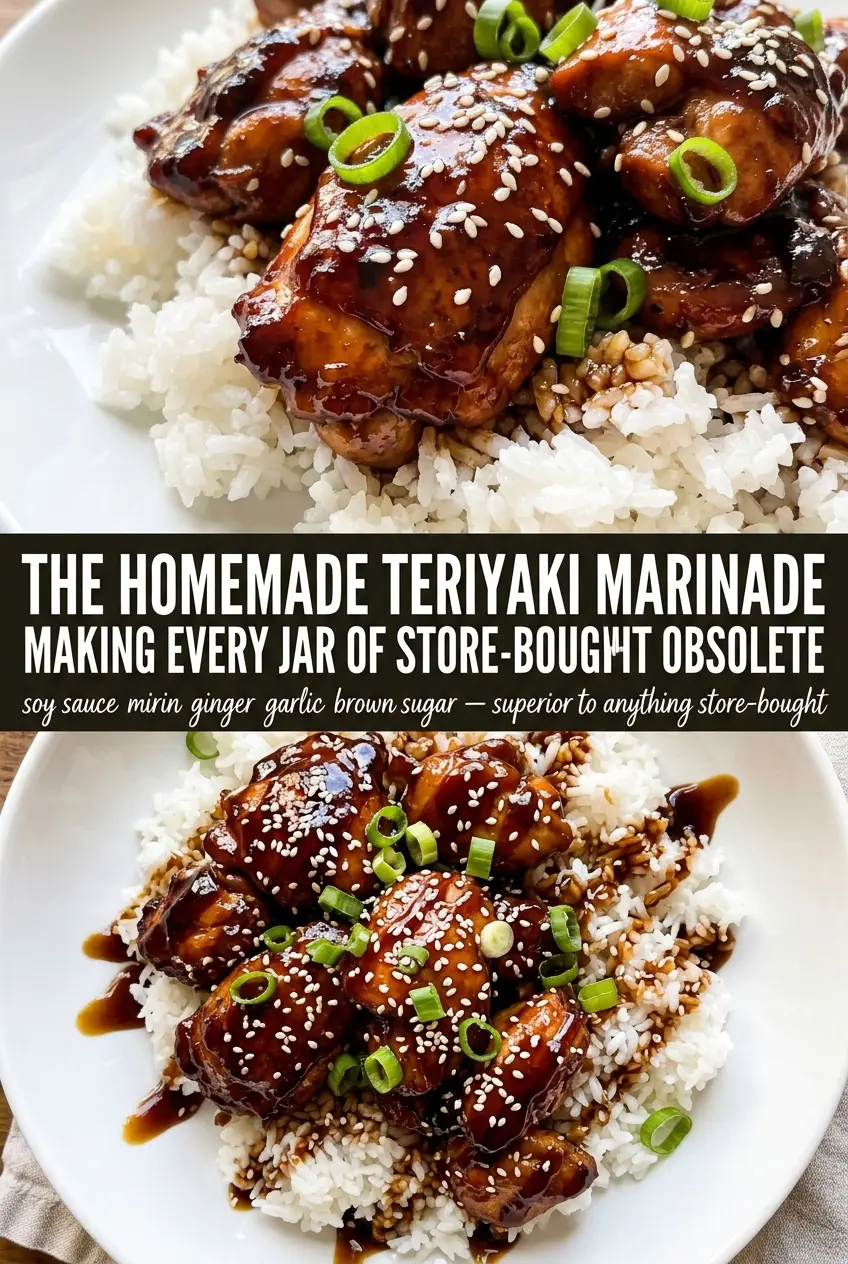
Easy Chicken Teriyaki with Marinade
Ingredients
Equipment
Method
- Combine soy sauce, mirin, brown sugar, honey, garlic, and ginger in a bowl until the sugar dissolves and the mixture looks glossy.
- Reserve 1/4 cup of the marinade in a separate container for basting and for thickening later.
- Add the chicken to the remaining marinade and turn to coat well, then cover and refrigerate for 30 minutes to 2 hours.
- Preheat a grill to medium-high heat, then grill the chicken for 6-7 minutes per side, basting frequently with the reserved marinade to build a shiny glaze and caramelized edges.
- For a thicker glaze, simmer the reserved marinade over the grill or on a burner at a gentle simmer until warmed through, then stir in cornstarch and cook until thickened, 1-2 minutes.
- Serve the chicken drizzled with the glaze and garnished with sesame seeds and green onions, ideally over rice.