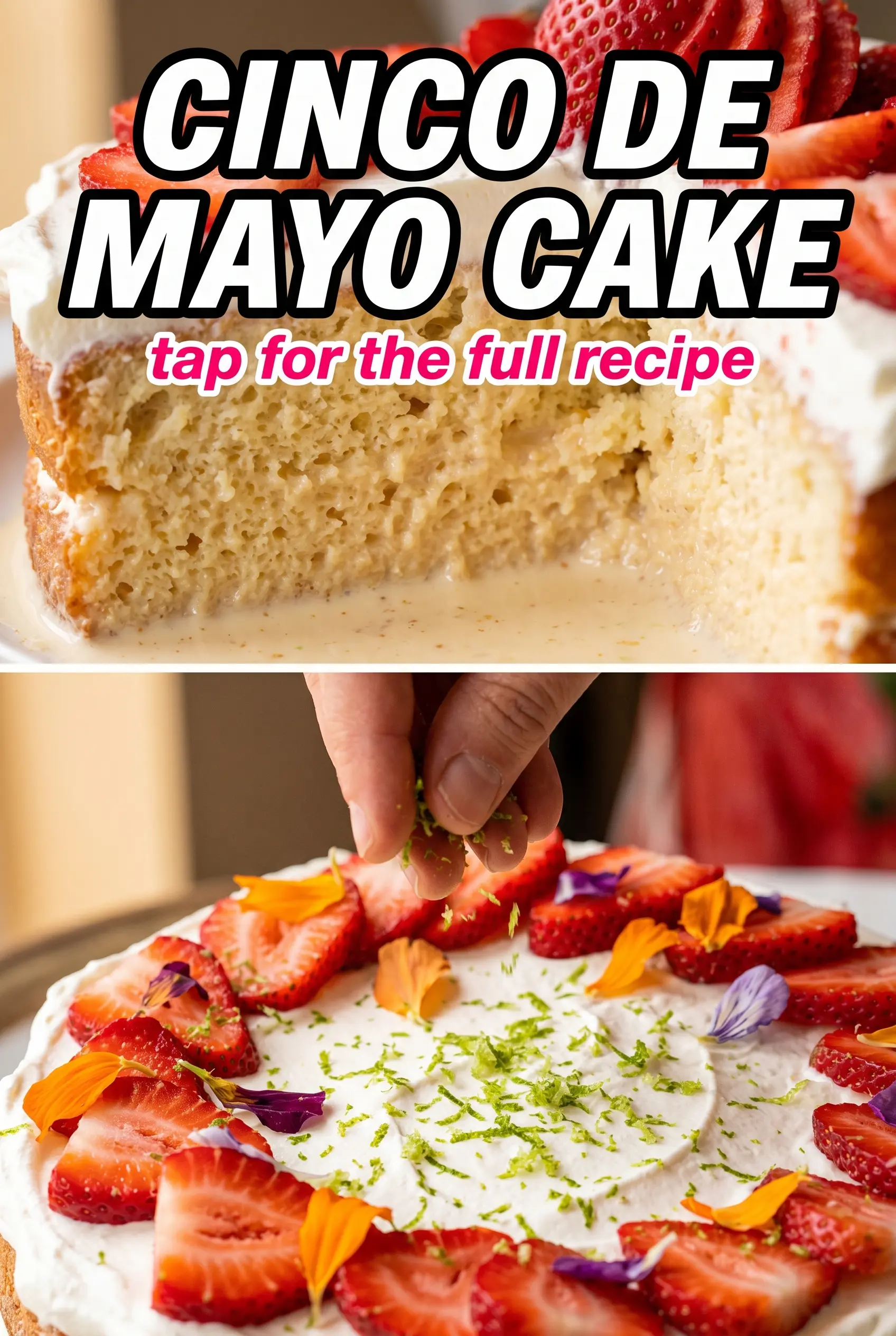
Tres leches cake earns its place because the texture is unmistakable: a light sponge that drinks in the milk mixture without turning heavy or soggy, then finishes with a cool whipped topping and fresh berries. When it’s done right, every forkful tastes creamy, soft, and cleanly balanced instead of falling apart on the plate.
The difference here comes from the batter and the soak. Beating the egg whites separately gives the cake enough structure to hold all that milk, and a simple fork-poking pattern helps the tres leches mixture sink in evenly. The cake needs time in the fridge, not just on the counter, because the crumb keeps absorbing the liquid as it chills.
Below, you’ll find the timing that keeps the sponge from collapsing, the milk swap I reach for when I want a slightly richer finish, and the little details that keep the whipped cream from sliding around on top.
The cake soaked up the milk mixture perfectly without getting mushy, and the whipped cream stayed fluffy even after a day in the fridge. I added strawberries on top and everyone kept going back for another slice.
Keep this Cinco de Mayo tres leches cake handy for a make-ahead dessert that gets creamier as it chills.
The Reason Tres Leches Stays Light Instead of Turning Heavy
The mistake most people make with tres leches is treating it like a regular layer cake. It isn’t one. This cake needs a foamier batter than butter cake because the milk soak has to move through the crumb without collapsing it into a dense slab. Separating the eggs and folding the whites in at the end gives the cake lift first, then enough tenderness to absorb the milk later.
The other failure point is impatience. If you pour the milk mixture over a warm cake and cut in too soon, the center stays loose while the edges turn swampy. Pierce the cake all over, pour slowly, and let gravity and time do the work. The soak should disappear into the surface within a few minutes, then finish in the fridge where the crumb can tighten back up around the liquid.
What Each Ingredient Is Actually Doing in This Cake
- Eggs, separated — The whites are the structure. They whip into the air that keeps this cake from turning pudding-thick under the milk soak. If you skip the separation and just beat whole eggs, the cake still bakes, but it won’t hold the same delicate, sponge-like crumb.
- Sweetened condensed milk — This brings sweetness and body at the same time. There isn’t a real substitute that gives the same silky richness, but if you want a slightly less sweet version, cut back the powdered sugar in the topping rather than replacing the condensed milk.
- Evaporated milk — This keeps the soak from being cloying. It thins the condensed milk enough to move through the cake evenly, and it adds a cooked-milk depth that plain cream can’t match on its own.
- Heavy cream or Media Crema — This adds the last layer of richness in the soak. Heavy cream gives the cleanest, most familiar result; Media Crema makes the soak a little more tangy and a touch lighter. Either one works as long as the total liquid stays close to what the cake can absorb.
- Heavy whipping cream — This is for the topping, and it needs to be cold. Warm cream whips slowly and turns loose before it gets fluffy. Powdered sugar helps stabilize it, which matters if the cake will sit in the fridge before serving.
- Fresh berries and mint — They’re not just decoration. The berries cut through the sweetness and give the top a bright finish that makes each slice taste fresher, especially after the cake has soaked overnight.
Building the Sponge Before the Milk Soak Goes In
Whipping the Egg Whites to the Right Point
Beat the egg whites until they hold stiff peaks that stand up without drooping. That’s the air structure the cake needs. If the whites are underwhipped, the crumb turns too tight and the milk sits on top instead of soaking in. If they’re dry and clumpy, they won’t fold smoothly into the batter, and you’ll lose volume before the cake even hits the oven.
Mixing the Batter Without Deflating It
Once the yolks and sugar turn pale, add the dry ingredients and milk in alternating additions, then fold in the whites in two batches. The batter should look smooth and a little airy, not glossy and runny. Stirring hard here knocks out the structure you just built, and that shows up later as a cake that feels compact instead of tender.
Soaking the Cake the Way Tres Leches Needs
When the cake comes out of the oven, let it cool for about 10 minutes, then pierce it all over with a fork. Pour the milk mixture slowly and evenly, giving the cake a minute or two between pours so it can absorb without pooling in the corners. If liquid starts collecting on top, stop pouring and wait. The cake will keep taking it in as it sits in the refrigerator.
Finishing with the Topping and Garnishes
Whip the cream with powdered sugar and vanilla until it holds soft, billowy peaks. Spread it over a fully chilled cake so it stays on the surface instead of melting into the milk layer. Add the strawberries and raspberries right before serving, then tuck in a little mint for color and a fresh finish.
How to Adapt This for Dairy-Free, Lighter, or Bigger-Party Versions
Dairy-Free Tres Leches With Coconut Cream
Use full-fat coconut milk in place of the evaporated milk and cream, then top the cake with coconut whipped cream. The flavor shifts toward coconut, and the soak tastes a little softer and sweeter, but the cake still absorbs beautifully if you chill it long enough.
Less Sweet, Still Creamy
Keep the soak the same, but reduce the powdered sugar in the topping to 1 tablespoon or skip it entirely if your berries are very sweet. The cake still tastes balanced because the whipped topping is what usually pushes tres leches over the edge.
A Round Pan for a More Celebration-Style Presentation
Bake the cake in two 9-inch round pans if you want a layered look for a party. The bake time drops a little, so start checking early. The thinner layers soak faster, which gives you a softer, more elegant slice but also means you need to chill them fully before stacking or serving.
Storage and Reheating
- Refrigerator: Store covered for up to 4 days. The cake gets even softer and creamier by day two, though the berries are best fresh.
- Freezer: Freeze the unfrosted soaked cake tightly wrapped for up to 1 month. Thaw in the fridge, then add the whipped topping and fruit after it’s fully thawed.
- Reheating: Don’t reheat this cake. Tres leches is meant to be served cold, and warming it breaks down the whipped topping and makes the milk soak feel loose.
Answers to the Questions Worth Asking
Cinco de Mayo Tres Leches Cake
Ingredients
Equipment
Method
- Preheat the oven to 350°F and grease a 9x13 inch baking pan so the cake releases cleanly.
- Whisk all-purpose flour, baking powder, and salt together to evenly distribute the leavening.
- Separate the eggs, then beat the egg whites until stiff peaks form and set aside.
- Beat the egg yolks with granulated sugar until pale and slightly thickened.
- Add the flour mixture and whole milk alternately, stirring gently just until combined.
- Fold in vanilla extract, then fold in the egg whites in two additions for a light, airy batter.
- Pour the batter into the prepared pan and bake for 22-25 minutes, until a toothpick comes out clean.
- Cool the cake for 10 minutes, then pierce all over with a fork to create soak-ready holes.
- Combine sweetened condensed milk, evaporated milk, and heavy cream, stirring until smooth.
- Pour the three-milk mixture evenly over the warm cake so it absorbs thoroughly.
- Refrigerate for at least 2 hours to let the cake fully soak and set.
- Whip heavy whipping cream with powdered sugar and vanilla extract until soft peaks form.
- Spread the whipped cream over the soaked cake for a fluffy top layer.
- Top with fresh strawberries and raspberries, then garnish with fresh mint before slicing.