Black pepper chicken hits that sweet spot between takeout comfort and weeknight speed: tender chicken, glossy sauce, and enough cracked pepper to leave a sharp little warmth on the tongue without burying the rest of the dish. The sauce clings to every piece instead of pooling at the bottom of the bowl, which is what makes this version feel worth making at home.
The trick is keeping the chicken thin and the pan hot. A quick stir-fry gives the meat a little color before it finishes in the sauce, and the cornstarch slurry thickens just enough to coat the chicken and vegetables without turning sticky or gloppy. Freshly cracked black pepper matters here; pre-ground pepper just tastes flat in a sauce this simple.
Below, I’ve included the small choices that make the biggest difference, from when to add the garlic so it doesn’t burn to how to keep the pepper flavor bold instead of bitter.
The sauce coated every piece without turning syrupy, and the black pepper stayed bold even after reheating the leftovers the next day.
Save this black pepper chicken for the nights when you want glossy takeout-style sauce, tender chicken, and rice all in one skillet.
The Pepper Sauce Needs High Heat, But Not for Long
Black pepper chicken can go wrong in one of two ways: the chicken steams instead of browns, or the sauce cooks so long that the pepper turns harsh and the cornstarch goes past glossy into paste territory. The answer is a hot pan, a quick sear, and a short finish at the end. You want the sauce to thicken just enough to coat the chicken and vegetables, not reduce until it starts sticking to the pan.
Batching the chicken matters if your skillet isn’t large. Crowding drops the heat fast, and that’s how you end up with pale, watery chicken instead of lightly golden pieces. Once the vegetables go in, they should soften at the edges but keep some crunch; they’re there to balance the dark sauce, not disappear into it.
- Chicken breast — Thin slices cook fast and stay tender when they go into a very hot pan. If you cut thick pieces, the outside will overcook before the center is done.
- Freshly cracked black pepper — This is the backbone of the dish. Pre-ground pepper works in a pinch, but it tastes dusty and flat compared with coarse cracks from a grinder.
- Dark soy sauce — This adds color and a deeper, slightly molasses-like edge. Regular soy sauce alone will make the sauce taste saltier and look lighter.
- Cornstarch slurry — Mixing cornstarch with cold water before it hits the pan keeps the sauce smooth. If you add dry cornstarch straight into the skillet, it clumps fast.
What Each Ingredient Is Actually Doing in the Pan
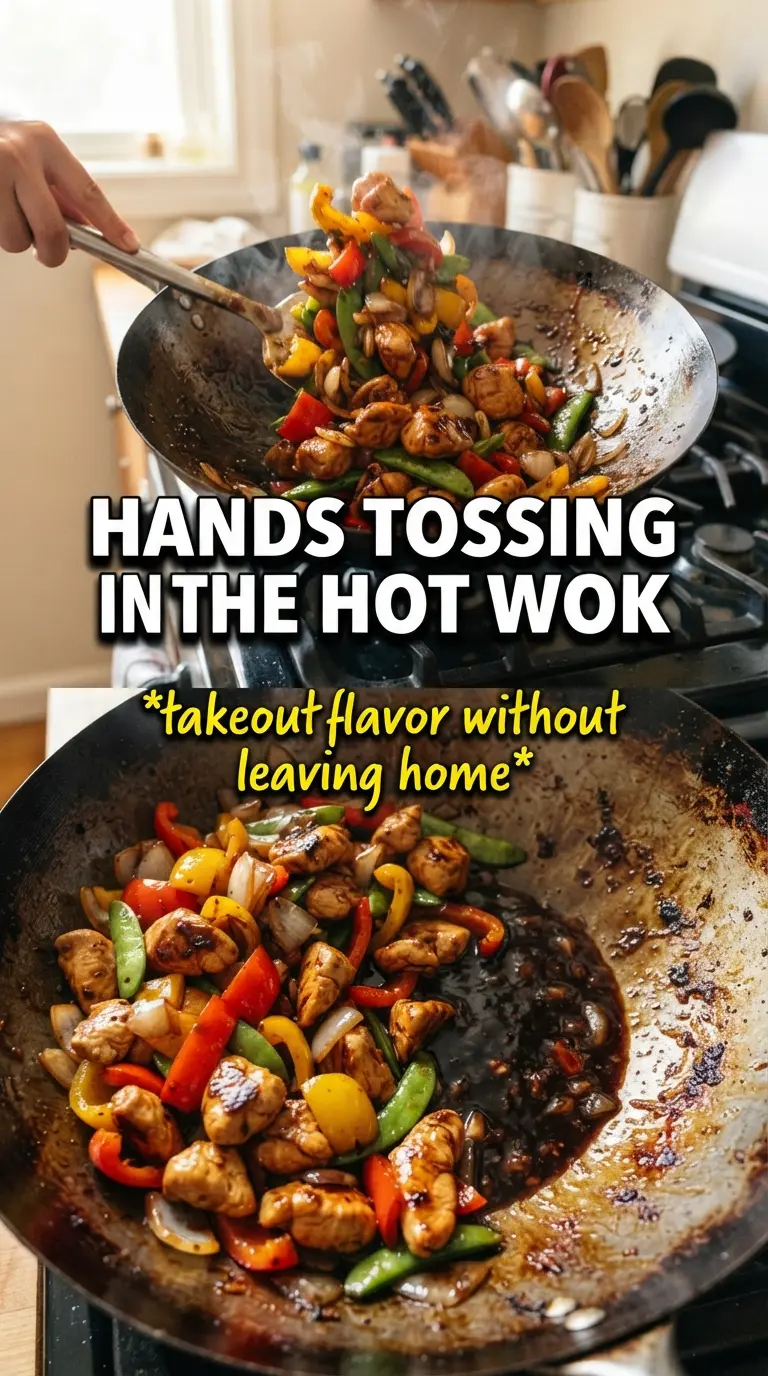
The sauce is built on three kinds of saltiness and one layer of sweetness, which is why it tastes rounded instead of one-note. Soy sauce brings the salty base, oyster sauce adds body and a little savoriness, and dark soy sauce deepens the color while rounding out the edges. Brown sugar doesn’t make it sweet; it smooths the pepper and keeps the sauce from tasting sharp.
Ginger and garlic are short-cooked on purpose. They need just enough heat to wake up, not enough to brown hard, because burned garlic will make the whole pan taste bitter. The onion and bell pepper should still have shape when the chicken goes back in, since the sauce is already doing the heavy lifting.
- Chicken breast — Lean breast meat works well because the sauce brings the moisture. If you use thighs, the dish gets richer and a little less delicate.
- Vegetable oil — A neutral oil with a high smoke point handles the heat better than olive oil here. You need a fat that lets the chicken brown without adding its own flavor.
- Oyster sauce — This gives the sauce its round, savory backbone. If you skip it, the sauce tastes thinner; the closest substitute is hoisin, though it will lean sweeter.
- Green bell pepper and onion — These add texture and a little sweetness after the sear. Slice them evenly so they cook at the same pace.
Build the Sauce, Sear the Chicken, Then Finish Fast
Mix the Sauce Before the Pan Gets Hot
Whisk the soy sauce, oyster sauce, dark soy sauce, brown sugar, cracked black pepper, and cornstarch slurry until the sugar dissolves and the mixture looks smooth. Set it aside before you turn on the heat so you can move quickly once the chicken is cooked. If the cornstarch sits unmixed, it settles to the bottom and you’ll pour in a lumpy sauce.
Brown the Chicken in Batches
Heat the oil in a wok or large skillet until it shimmers, then add the chicken in a single layer. Let it sit long enough to pick up some color before stirring, then cook just until the pieces are no longer pink in the center. Pull the chicken out as soon as it’s cooked through; it finishes in the sauce, and leaving it in too long will dry it out.
Cook the Vegetables Just to Crisp-Tender
Add the bell pepper and onion to the hot pan and stir-fry for about three minutes. You’re looking for softened edges and a little char in spots, not limp vegetables. Add the garlic and ginger only for the last minute so they perfume the pan without scorching.
Let the Sauce Tighten Around Everything
Return the chicken to the pan, pour in the sauce, and toss constantly as it bubbles. In two to three minutes, the sauce should go from thin and shiny to thick enough to coat the chicken in a glossy layer. If it gets too thick before the chicken is coated, splash in a tablespoon of water to loosen it, then finish with another crack of black pepper.
How to Adapt Black Pepper Chicken for Different Tables
Gluten-Free Version
Use tamari in place of the soy sauce and check that your oyster sauce is labeled gluten-free. The sauce will still thicken the same way, and you won’t lose the glossy finish.
Chicken Thigh Swap
Boneless thighs bring a deeper, juicier bite and hold up well if you like a richer stir-fry. They need about the same cooking time, but they can take a little more browning without drying out.
Vegetable-Heavy Version
Add broccoli florets, snap peas, or sliced mushrooms with the bell pepper. More vegetables stretch the dish without changing the sauce, but give firmer vegetables a head start so they’re tender by the time the chicken goes back in.
Storage and Reheating
- Refrigerator: Store in an airtight container for up to 4 days. The sauce will thicken more in the fridge, but the flavor stays strong.
- Freezer: It freezes reasonably well for up to 2 months, though the peppers soften after thawing. Freeze in portions and cool it fully before packing it up.
- Reheating: Reheat in a skillet over medium-low heat with a splash of water until the sauce loosens. The common mistake is blasting it on high heat, which dries the chicken and makes the sauce sticky.
Answers to the Questions Worth Asking
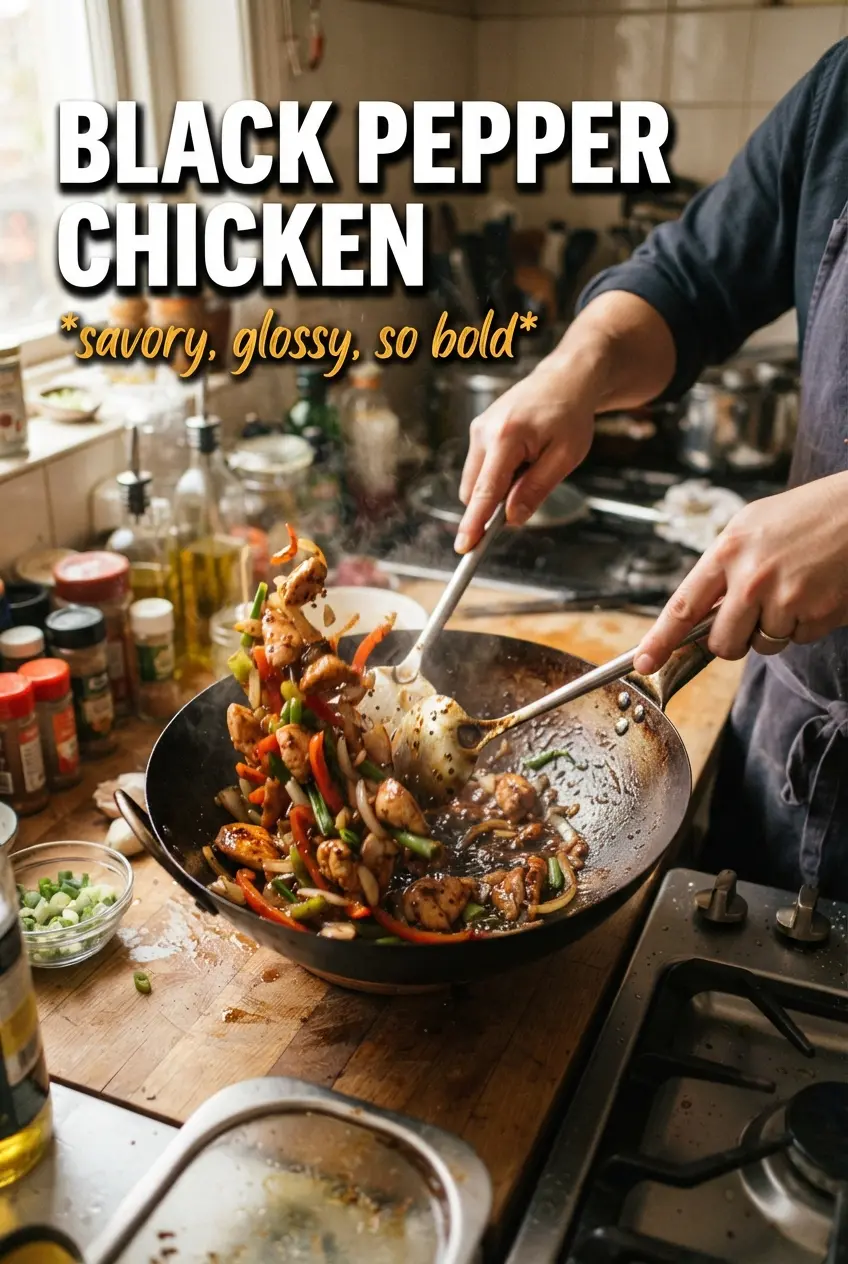
Black Pepper Chicken
Ingredients
Equipment
Method
- Whisk soy sauce, oyster sauce, dark soy sauce, brown sugar, and generously cracked black pepper together in a bowl, then whisk in cornstarch until smooth. Stir in water and set aside so the sauce can thicken when heated.
- Heat vegetable oil in a wok or large skillet over high heat until shimmering. Stir-fry chicken in batches until golden, then remove to a plate to avoid steaming.
- Stir-fry bell pepper and onion for 3 minutes over high heat until slightly softened. Add garlic and grated ginger and cook for 1 minute until fragrant.
- Return the chicken to the skillet and pour the sauce over everything, tossing to coat evenly. Cook 2-3 minutes over high heat until the sauce thickens and glossy coats the chicken and vegetables, then season with extra cracked black pepper.
- Serve the black pepper chicken immediately over steamed rice. Garnish with cracked black pepper if desired for visible pepper specks.