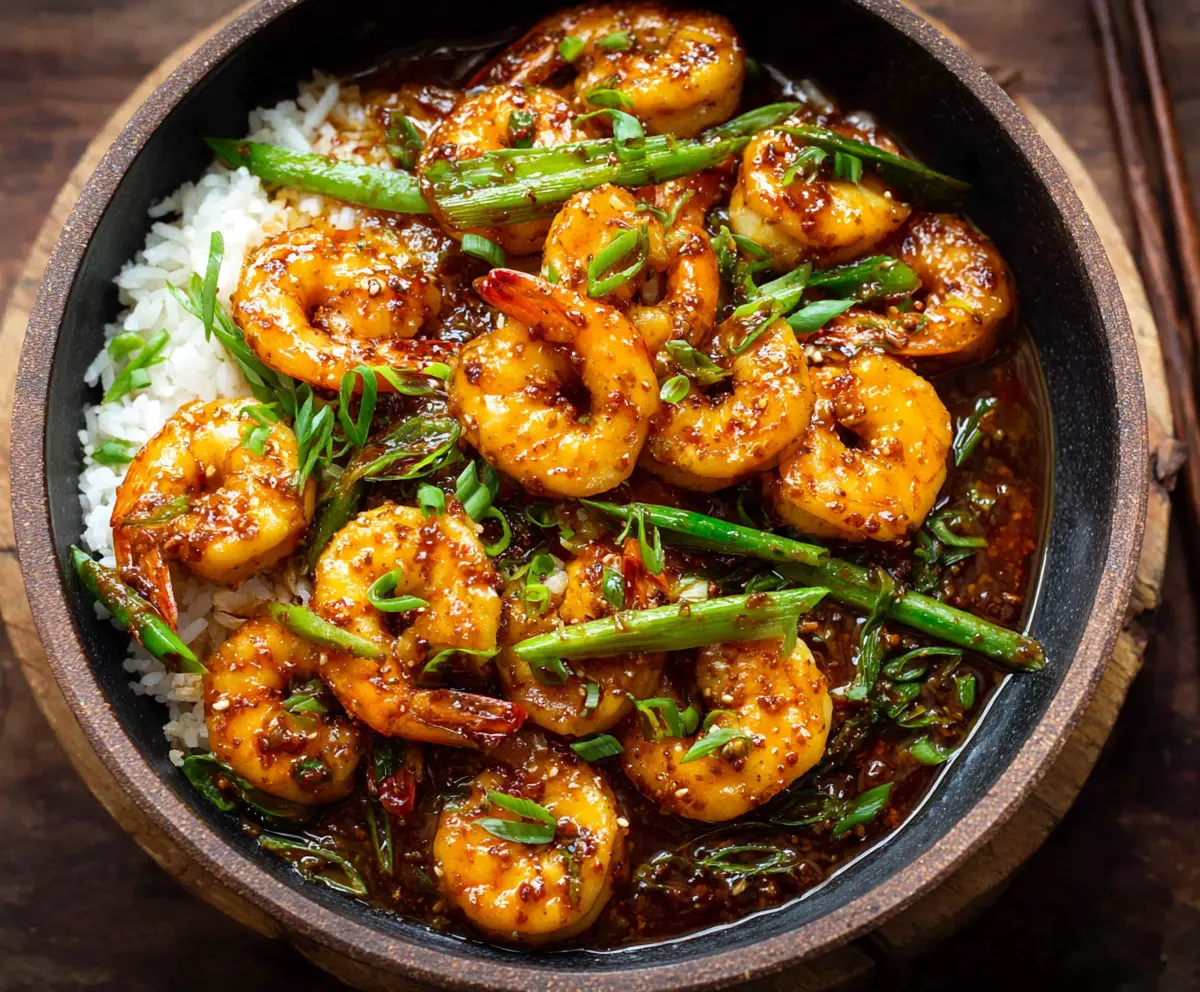
Chinese Hunan Shrimp is a spicy and zesty dish that features juicy shrimp cooked in a rich sauce with peppers, garlic, and ginger. It’s the perfect blend of flavors that’ll make your taste buds dance!
When I make this dish, I get excited by the colorful peppers and the delightful heat. Pair it with rice, and you’ve got a meal that’s sure to impress—and you won’t want to share! 😊
Key Ingredients & Substitutions
Shrimp: Fresh medium shrimp work best for this recipe. If seafood isn’t your thing, cubed firm tofu or chicken can replace shrimp. Just adjust cooking times accordingly!
Sichuan Peppercorns: These add a unique, numbing spice but you can skip them if you prefer less heat. Alternatively, crushed black pepper or a few extra dried chilies will work in a pinch.
Black Bean Garlic Sauce: This sauce is vital for flavor. If you can’t find it, use hoisin sauce or even a mix of soy sauce and minced garlic as a substitute.
Rice: While steamed white rice is traditional, brown rice or quinoa can add a different texture and more nutrients. Try whatever you have on hand!
How Do I Get Perfectly Cooked Shrimp?
Cooking shrimp perfectly is key! Start by rinsing and patting them dry to ensure they sear rather than steam. It’s important to not overcrowd the pan, as this prevents even cooking.
- Heat the oil until shimmering, then add spices for flavor.
- Cook shrimp until they just turn pink – about 2 minutes per side is usually enough.
- Remove from heat as soon as they are cooked to avoid overcooking, leading to rubbery shrimp!
Using this technique helps you achieve juicy, tender shrimp every time. Happy cooking!
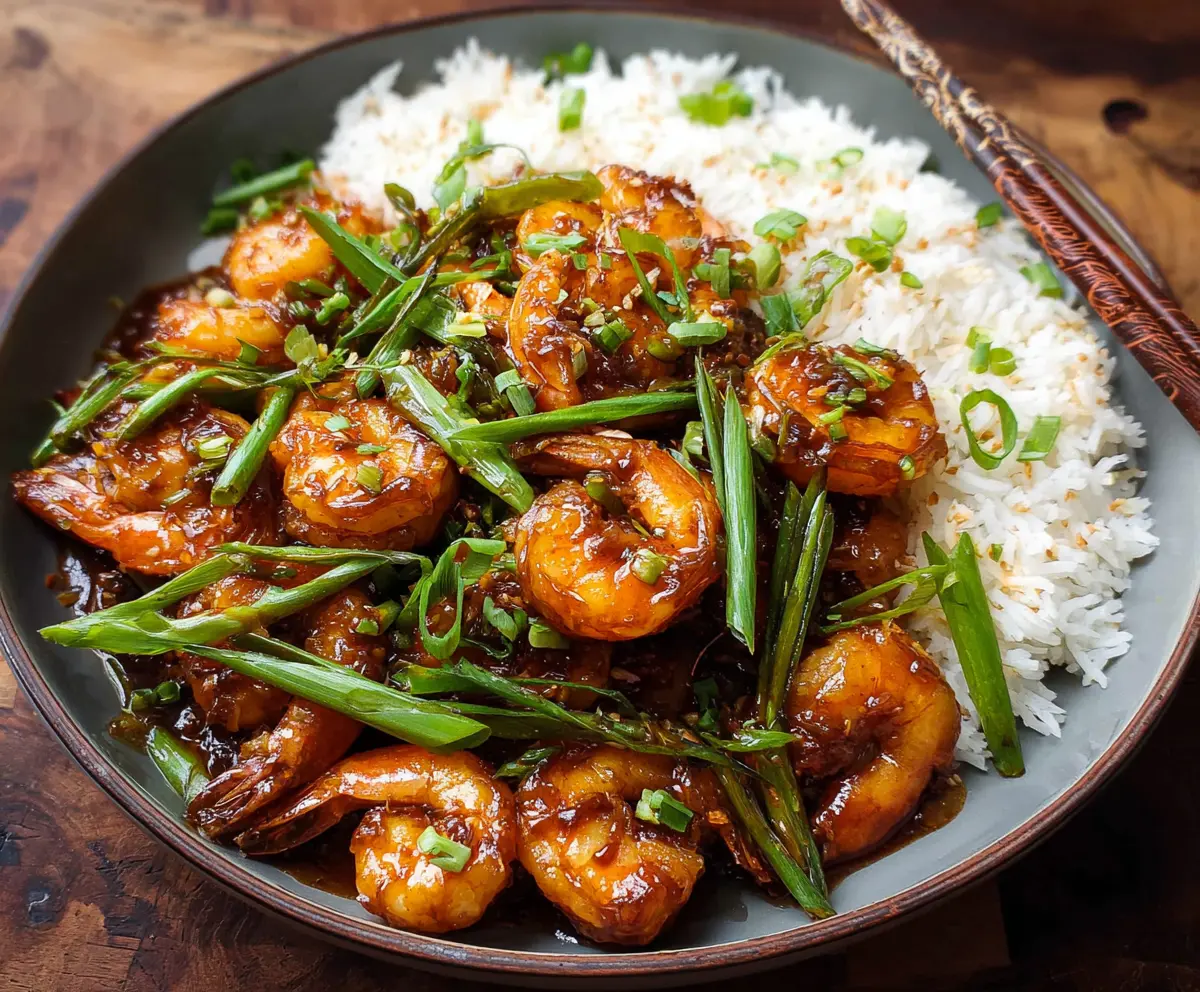
How to Make Chinese Hunan Shrimp
Ingredients You’ll Need:
For the Shrimp Dish:
- 1 lb (450g) medium shrimp, peeled and deveined
- 2 tbsp vegetable oil (or peanut oil)
- 4 garlic cloves, finely minced
- 1 tbsp fresh ginger, finely minced
- 3-4 dried red chilies, broken into pieces (adjust for heat)
- 1 tbsp Sichuan peppercorns (optional for extra numbing spice)
- 4-5 green onions, cut into 2-inch pieces, plus extra for garnish
- 1 bell pepper (green or mixed colors), julienned (optional)
- 1 tbsp soy sauce
- 2 tbsp Chinese black bean garlic sauce or chili bean paste (Doubanjiang)
- 1 tbsp rice vinegar
- 1 tbsp Shaoxing wine (Chinese cooking wine) or dry sherry
- 2 tsp sugar
- 1/4 cup chicken broth or water
- 1 tsp cornstarch mixed with 2 tbsp water (slurry)
- Steamed white rice, for serving
How Much Time Will You Need?
This recipe takes about 10-15 minutes to prepare and around 5-10 minutes to cook. In total, you’re looking at about 20-25 minutes from start to finish, making it a quick yet delicious meal!
Step-by-Step Instructions:
1. Prepare the Shrimp:
Start by rinsing the shrimp under cold water, then pat them dry with a paper towel. This helps ensure they cook nicely without excess moisture. Set them aside while you prepare the other ingredients.
2. Mix the Sauce:
In a small bowl, combine the soy sauce, rice vinegar, Shaoxing wine, sugar, and chicken broth. Stir until the sugar dissolves and set the sauce mixture aside.
3. Heat the Oil:
In a large wok or skillet, heat the vegetable oil over medium-high heat until it’s shimmering. This step is crucial for infusing flavor into the dish.
4. Add Spices:
Add the Sichuan peppercorns and broken dried red chilies to the hot oil. Stir-fry for about 30 seconds until they become fragrant—just be careful not to burn them!
5. Incorporate Garlic and Ginger:
Next, toss in the minced garlic and ginger. Stir-fry for another 15 seconds, allowing the aroma to fill your kitchen.
6. Cook the Shrimp:
Add the shrimp to the wok and stir-fry until they begin to turn pink, which should take about 2 minutes. Keep them moving in the pan to ensure even cooking.
7. Add Vegetables:
Now, add the green onions (and bell pepper if you’re using it) to the wok. Continue stir-frying for 1-2 minutes, just until the vegetables are tender but still crisp.
8. Combine Sauce and Shrimp:
Stir in the black bean garlic sauce or chili bean paste, then pour your prepared sauce mixture over the shrimp and vegetables. Stir everything to combine well and allow the sauce to heat through, coating the shrimp nicely.
9. Thicken the Sauce:
Add the cornstarch slurry to the wok slowly while stirring continuously. This will thicken the sauce into a glossy coating. Cook for another minute until the sauce reaches your desired consistency.
10. Serve and Enjoy:
Remove the wok from heat once the shrimp are fully cooked and the sauce is thickened. Serve immediately over steamed white rice and garnish with additional sliced green onions for a pop of color!
Enjoy the vibrant flavors of this classic Hunan-style shrimp — spicy, savory, and full of texture!
Can I Use Frozen Shrimp for This Recipe?
Yes, you can use frozen shrimp! Just make sure to thaw them completely before cooking. You can do this by placing them in the refrigerator overnight or by running them under cold water for a quick thaw. Pat them dry before cooking to avoid excess moisture.
What If I Don’t Have Sichuan Peppercorns?
No problem! You can omit Sichuan peppercorns or substitute them with crushed black pepper for some heat. If you’re looking for a similar numbing sensation, try adding a little more dried red chilies or a dash of cayenne pepper.
How Do I Store Leftover Chinese Hunan Shrimp?
Store any leftovers in an airtight container in the refrigerator for up to 3 days. To reheat, warm gently on the stovetop or in the microwave until heated through. You may want to add a splash of water or broth to help restore the sauce consistency.
Can I Make This Recipe Vegetarian?
Absolutely! You can substitute shrimp with firm tofu or seitan. Adjust cooking times accordingly, as tofu will need a bit longer to get crispy if you choose to pan-fry it first. Use vegetable broth instead of chicken broth for the sauce.